Denver Home Electrical Safety Inspection: What to Expect
A comprehensive guide to professional electrical inspections in Denver. Learn the complete process, critical components checked, and how to ensure your home meets safety standards.
A Denver home electrical inspection is a comprehensive, professional evaluation of a residential property's electrical system, designed to identify potential safety hazards, code violations, and components in need of repair or upgrade. Conducted by a licensed electrician, this process is a critical preventative measure for homeowners in Denver, Colorado, safeguarding against electrical fires, shocks, and system failures.
Whether you're buying a new home, concerned about an aging system, or simply prioritizing safety, understanding what to expect demystifies the process and empowers you to make informed decisions about your property's most vital utility.
Licensed & Insured
Denver Metro Area
Code Compliance Check
NEC + Denver Amendments
What is a Home Electrical Safety Inspection?
A systematic assessment performed by qualified electricians to verify safety, functionality, and code-compliance.
Prevent Fires
Identify overloaded circuits, damaged insulation, and poor connections that cause house fires.
Ensure Safety
Detect shock hazards from improper grounding, faulty appliances, or damaged outlets.
Code Compliance
Verify your system meets current Denver and NEC standards for insurance and resale.
Capacity Assessment
Determine if your panel and circuits can handle modern electrical loads and EV charging.
Understanding the scope of this service is the first step. For a broader look at all available services:
Complete Guide to Electrical Services in Denver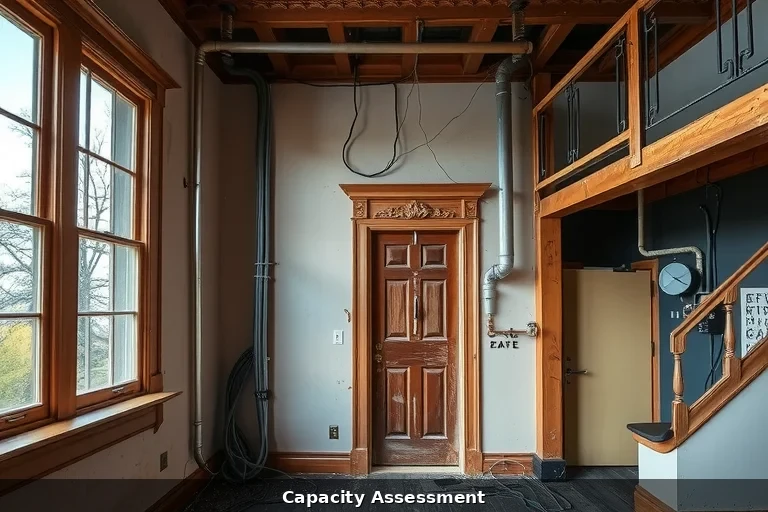
1970
Many homes built before this year have outdated wiring systems
#1
Cause of house fires: Faulty electrical systems
Why is an Electrical Inspection Critical for Denver Homes?
Denver's unique architectural landscape and climate create specific electrical challenges. Many charming neighborhoods are filled with homes built before 1970, often containing knob-and-tube wiring or aluminum branch circuits—systems that are now considered obsolete and potentially hazardous.
Climate Stress
Denver's dry climate accelerates wire insulation deterioration; temperature fluctuations stress electrical connections.
Increased Demand
Central AC, EV chargers, and home offices strain older systems beyond their original capacity.
Insurance Requirements
Many insurers require inspections for older homes and may deny claims for fires from uninspected hazards.
Real Estate Value
A clean inspection report is a powerful negotiating tool and provides peace of mind for buyers.
Cost-Effective Protection: Skipping an inspection can lead to catastrophic costs, far exceeding the $250-$500 inspection price. It's a small investment for monumental protection.
The Step-by-Step Inspection Process
What exactly happens when a licensed electrician arrives at your Denver home? The process is methodical and follows a standardized protocol.
Pre-Inspection Consultation
The process begins before the electrician arrives. A brief phone consultation understands your concerns, the home's age, and any known issues. You'll be advised to ensure clear access to the electrical panel, basement, attic, and all outlets.
- Gather previous reports
- Clear access to utility areas
Exterior and Service Entry
The inspection starts outside, examining the service drop/mast, meter base, grounding electrode system, and exterior outlets for GFCI protection and proper sealing.
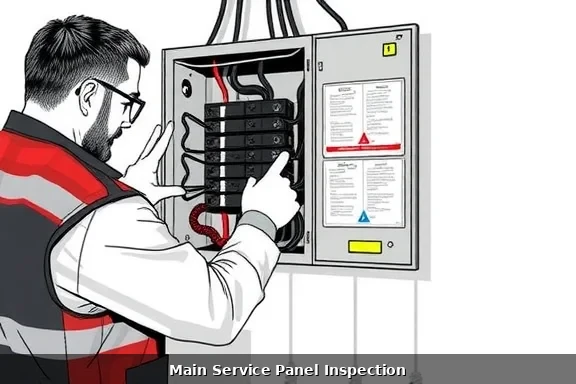
Main Service Panel Inspection
The heart of the inspection. The electrician removes the panel cover to inspect for recalled panels (Federal Pacific/Zinsco), proper breaker types, wiring condition, bonding, and accurate labeling.
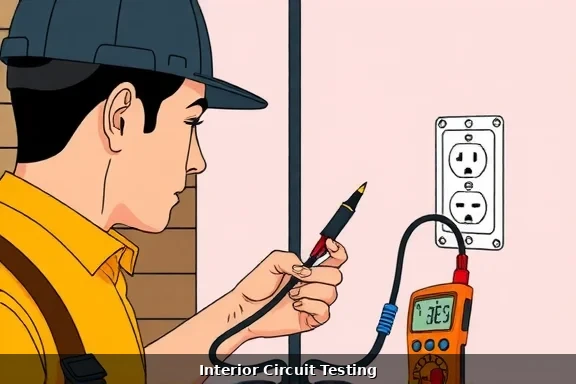
Interior Circuit Testing
Methodical testing of outlets, switches, and fixtures using circuit analyzers to verify correct wiring, polarity, GFCI/AFCI functionality, and voltage stability under load.
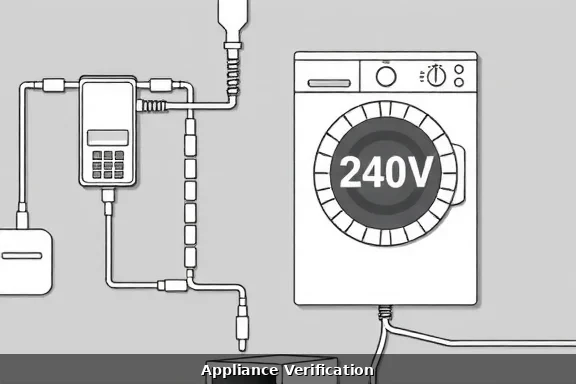
Appliance Verification
Large appliances are checked for proper dedicated circuits: kitchen range/oven, dishwasher, dryer (240V), HVAC systems, and water heaters.
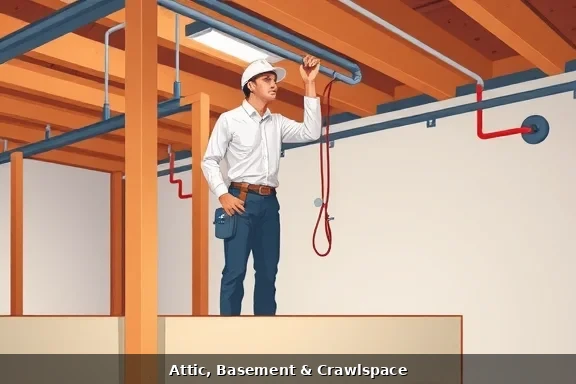
Attic, Basement & Crawlspace
Examination of exposed wiring for proper cable support, junction box integrity, clearance from hazards, and insulation condition.
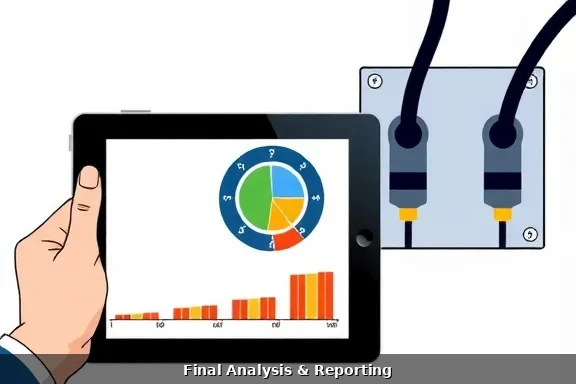
Final Analysis & Reporting
Data analysis against Denver Electrical Code standards. A detailed digital report categorizes issues by severity with photos and clear repair recommendations, usually delivered same-day.
Key Components Checked
A comprehensive checklist of the primary elements under scrutiny during a professional Denver inspection.
Service Panel
Capacity, condition, manufacturer check
Circuit Breakers
Correct amperage, no double-tapping
Electrical Wiring
Copper vs. aluminum, insulation condition
Outlets & Receptacles
Grounding, GFCI protection in wet areas
Light Switches
Safe installation, proper box fill
Grounding & Bonding
Electrode system integrity
Smoke & CO Detectors
Location, operation, interconnection
AFCI Protection
Presence in living areas per Denver code
Load Calculation
Total home load vs. panel capacity
Previous Issues
Scorch marks, burning smells, trip history
Common Issues Found in Denver Home Inspections
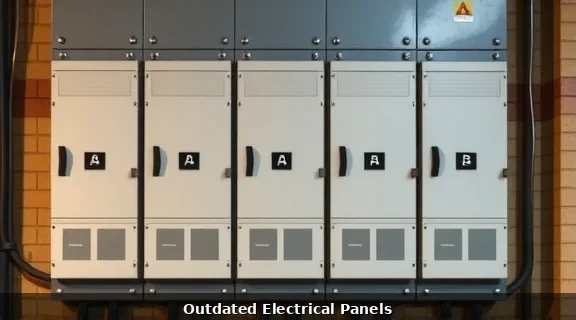
Outdated Electrical Panels
Federal Pacific Electric (FPE) Stab-Lok and Zinsco panels fail to trip during overloads, creating severe fire risks.
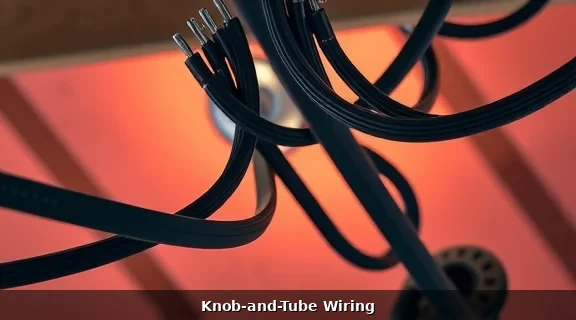
Knob-and-Tube Wiring
Ungrounded system with cloth insulation that becomes brittle. Fire hazard when covered by insulation.
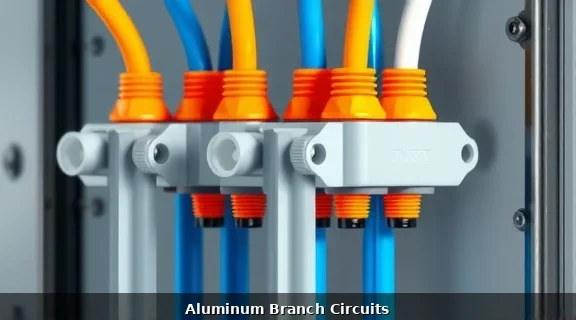
Aluminum Branch Circuits
Expands/contracts more than copper, leading to loose connections and overheating at outlets.
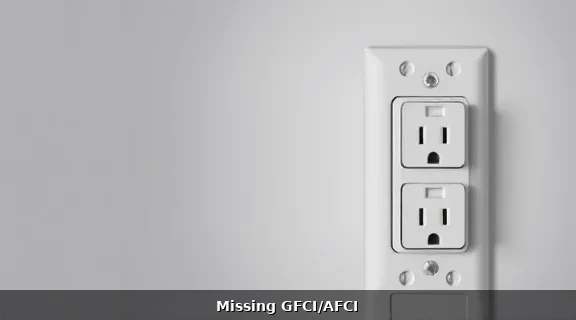
Missing GFCI/AFCI
Older homes lack protection in bathrooms, kitchens, garages, and bedrooms as now mandated.
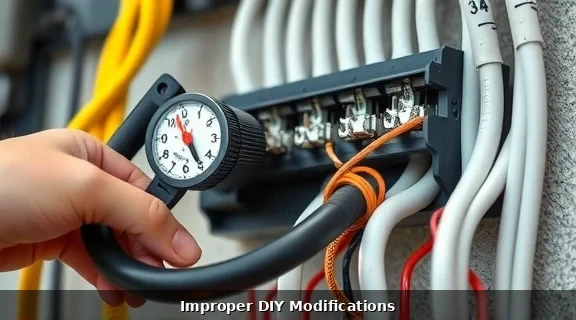
Improper DIY Modifications
Bootleg grounds, splices outside junction boxes, and undersized wiring for added circuits.
Insufficient Outdoor Lighting
Not meeting code requirements for egress paths and exterior convenience outlets.
Understanding Your Inspection Report
The final report is your roadmap to a safer home. A high-quality report transforms technical findings into actionable intelligence.
Executive Summary
High-level overview of system health and critical hazards requiring immediate attention.
Photo Documentation
Visual evidence with annotations showing exact locations and conditions of issues.
Priority Leveling
Categorization: Safety Hazard (Immediate), Code Violation (Recommended), Monitor (Future).
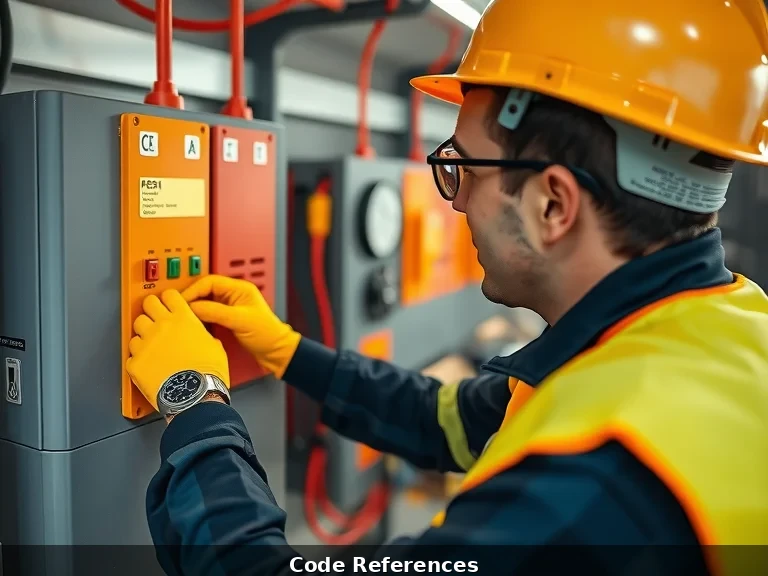
Code References
Specific Denver or NEC code articles cited for transparency and verification.
"A good electrician will review this report with you, answering questions and helping prioritize repairs based on safety and budget."
How to Choose the Right Professional
Not all inspections are equal. The quality hinges entirely on the expertise and thoroughness of the electrician.
State License
Verify current Colorado electrical license in good standing with the state board.
Insured & Bonded
Protects you from liability in case of accidents or damage during the inspection.
Denver Experience
Familiarity with historic and modern neighborhoods common issues.
Detailed Reporting
Ask to see a sample report to ensure it is comprehensive and understandable.
No Conflict
Inspection should be standalone and unbiased, not a sales pitch for repairs.
Local Reputation
Check Google, BBB reviews for consistent praise on thoroughness.
FAQ: Denver Home Electrical Safety Inspections
How long does a typical home electrical inspection take?
For an average single-family home in Denver (2,000-3,000 sq. ft.), a thorough inspection takes between 2 to 4 hours. Larger homes or those with complex systems may take longer.
How much does an inspection cost in Denver?
As of 2026, a comprehensive inspection typically ranges from $250 to $500, depending on the home's size, age, and the inspector's expertise. This is a minor investment compared to the cost of repairing fire or shock damage.
How often should I have my home's electrical system inspected?
It's recommended every 3-5 years for older homes (40+ years) and every 5-10 years for newer construction. Always schedule an inspection before buying a home, after a major renovation, or if you notice warning signs like flickering lights or buzzing outlets.
What are the immediate "red flag" hazards that require urgent repair?
Signs of burning or scorching at the panel or outlets, the smell of burning plastic, buzzing or sizzling sounds, frequent circuit breaker trips, and the presence of recalled electrical panels (like FPE or Zinsco) are all critical issues needing immediate attention.
Will the inspector turn off my power?
Briefly, yes. To safely inspect the main service panel, the electrician will need to turn off the main breaker for 15-30 minutes. They will coordinate this with you to minimize disruption.
Is an inspection required by Denver law?
While not universally required for all homes, inspections are mandated for the sale of homes over a certain age in some municipalities, for obtaining certain permits, and are almost always required by lenders during a real estate transaction.
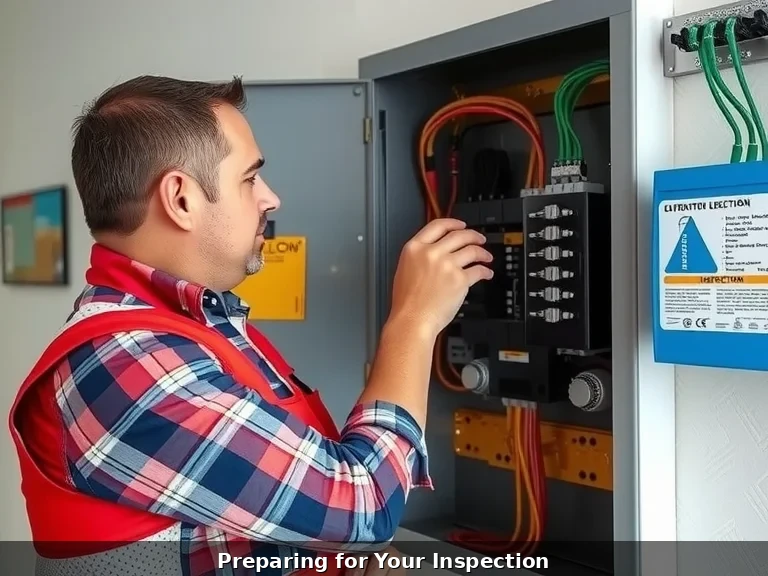
Preparing for Your Inspection
Ensure the inspection is efficient and comprehensive with these simple preparation steps.
Pro Tip
Test all smoke detectors 24 hours before the inspection to ensure they're functioning.
Safety, Value, and Peace of Mind
A professional Denver home electrical inspection is more than a checklist; it's an investment in your family's safety, your property's value, and your own peace of mind. Don't wait for a warning sign to become an emergency.
Article last reviewed and updated in 2026. This guide is intended for informational purposes. Always consult with a licensed Denver electrician for diagnosis and repair of your specific electrical system.
Author Bio
This guide was crafted by the expert team at Denver Electrician Authority. With decades of combined experience serving the Denver metro area, our licensed master electricians have performed thousands of safety inspections. Learn more about our mission.