Electrical Fire Prevention in Denver Homes: Safety Checklist
Protect your Denver home from electrical fires with our comprehensive safety checklist. Expert prevention tips for Colorado's unique climate and housing stock.
Denver electrical fire prevention is a critical home safety practice that involves identifying, mitigating, and eliminating electrical hazards to protect your property and family from fire. In Denver's unique climate, with its dry air and older housing stock, the risk of electrical fires is a significant concern that requires proactive management.
This guide provides a definitive, actionable checklist for homeowners to systematically safeguard their homes, covering everything from routine visual inspections to understanding when professional intervention from a service like Residential Electrician Denver: Complete Home Electrical Services is non-negotiable.
Critical Safety Alert
Electrical fires account for $1.5B+ in damages annually
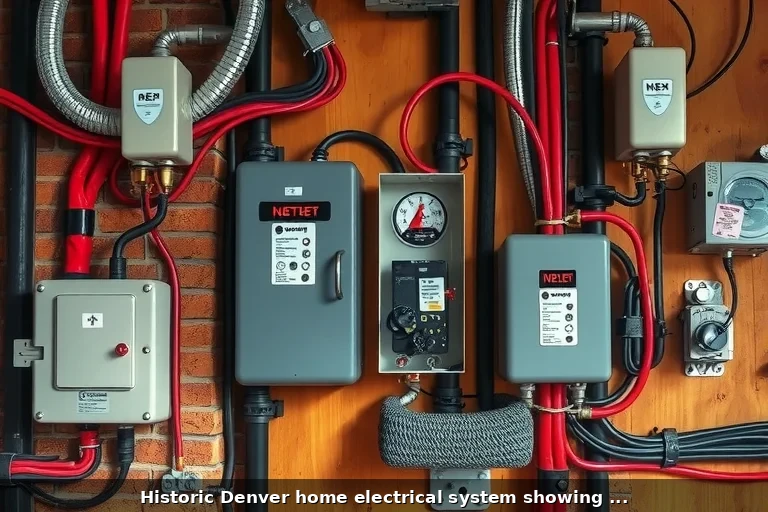
Understanding Electrical Fire Risks in Denver
Electrical fire risk refers to the probability that faulty electrical components, improper usage, or aging systems will generate enough heat or sparks to ignite surrounding materials. In Denver, several factors elevate this risk compared to other regions.
-
Historic Housing Stock Capitol Hill, Highlands, and Washington Park homes often contain outdated knob-and-tube or aluminum wiring
-
Low Humidity Climate Denver's dry air makes wood framing and insulation more susceptible to ignition
-
Temperature Swings Seasonal expansion and contraction loosen electrical connections over time
According to the National Fire Protection Association (NFPA), electrical failures are a leading cause of U.S. home fires, resulting in hundreds of deaths and over $1.5 billion in direct property damage annually.
The Complete Denver Electrical Fire Prevention Checklist
This actionable checklist is designed to be performed room-by-room, both as a one-time comprehensive audit and as a recurring seasonal review. For a deeper understanding of the full range of services that support this checklist, homeowners can consult the Complete Guide to Electrical Services in Denver: What's Available.
1. Electrical Panel & Service Entry
- • Ensure 3 feet clearance in front of panel
- • Verify all breakers are clearly labeled
- • Listen for buzzing or humming sounds
- • Test AFCI/GFCI breakers monthly
- ⚠ Check for FPE or Zinsco panels (fire hazards)
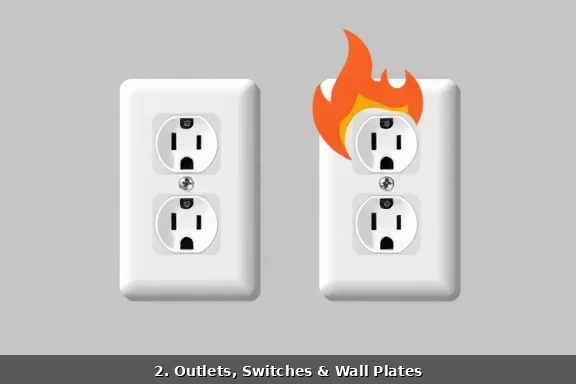
2. Outlets, Switches & Wall Plates
- • Perform touch test: plates should be cool
- • Ensure plugs fit snugly (not loose)
- ⚠ Look for discoloration/scorch marks
- • Listen for buzzing/crackling sounds
- • Test GFCI outlets monthly
3. Cords, Plugs & Extensions
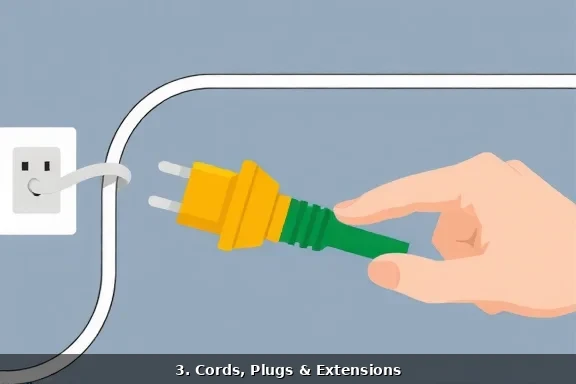
- • Inspect for fraying or cracked insulation
- • Never run cords under rugs or carpets
- ⚠ Never daisy-chain extension cords
- • Match cord rating to appliance load
- • Check for missing/bent grounding prongs
4. Lighting & Light Fixtures

- ⚠ Never exceed fixture wattage rating
- • Fixtures should be warm, never hot
- • Ensure secure mounting (no wobbling)
- • Use IC-rated recessed lights in attics
- • Check for proper ventilation clearance
5. Major Appliances & HVAC
- • Maintain 3 feet clearance around furnaces
- • Inspect appliance cords for damage
- ! Clean dryer lint trap after every load
- • Annual professional dryer vent cleaning
- • Schedule annual HVAC maintenance
6. Whole-House Systems & Habits

- • Unplug unused devices (phantom loads)
- ⚠ Never overload circuits
- • Power strips for electronics only, not heaters
- • Keep flammables 3 feet from heaters
- • Watch for flickering lights or breaker trips
When to Call a Professional Denver Electrician
While this checklist empowers you to identify visible hazards, many critical risks are hidden behind walls and ceilings. You should immediately contact a licensed professional like Denver Electrician Authority: Complete Electrical Services Guide if you encounter any of the following:
- Frequent circuit breaker trips
- Flickering or dimming lights when appliances run
- Home renovation or appliance upgrades
- Home age over 40 years without inspection
Inspection Cost vs. Fire Cost
Denver-Specific Electrical Codes and Considerations
Denver adheres to the National Electrical Code (NEC) with local amendments. Key Denver-specific requirements that impact fire safety include:
AFCI Protection Required
Mandatory for virtually all living area circuits. Denver inspectors are stringent on AFCI compliance.
Tamper-Resistant Outlets
All new and replacement outlets must be tamper-resistant with safety shutters.
Weatherproofing Standards
Specific WR ratings for outdoor outlets and panels due to Denver's weather extremes.
Permit Requirements
Most work beyond simple replacement requires City and County of Denver permits.
For a detailed breakdown of these rules, refer to our Denver Electrical Code Requirements: A Complete Guide.
FAQ: Denver Electrical Fire Prevention
Denver Electrician Authority recommends performing a visual walkthrough using this checklist at least twice a year—ideally in the spring and fall. This coincides with preparing your HVAC systems for seasonal changes, when electrical loads shift.
Aluminum wiring, installed in many Denver homes from the mid-1960s to late 1970s, is not inherently unsafe but requires special knowledge and components (e.g., CO/ALR-rated devices, anti-oxidant paste) to be safe. Connections can loosen over time, causing overheating. A professional evaluation is crucial.
A whole-house surge protector, installed at your electrical panel, protects against external voltage spikes from the grid (like lightning). It is a valuable safety upgrade but does not prevent fires caused by internal faults like overloaded circuits or faulty wiring. It is a complementary layer of protection.
Overloading circuits with high-wattage appliances, particularly space heaters in the winter, is the most frequent error. Using multiple power strips to run heaters, gaming PCs, and other devices from a single bedroom outlet is an extreme hazard.
Costs vary based on home size and age, but a comprehensive inspection from a licensed electrician typically ranges from $200 to $500. This is a minor investment compared to the potential cost of a fire. For detailed pricing on various services, see our guide on Denver Electrician Costs: Installation, Repair & Maintenance Pricing.
Final Thoughts and Your Next Step
Electrical fire prevention is not a one-time project but an ongoing commitment to home safety. Don't wait for a warning sign to become an emergency. Proactive maintenance is the key to prevention.