Electrical Panel Upgrade Denver: When & Why You Need It
Is your Denver home's electrical panel outdated or unsafe? Learn the critical signs you need an upgrade, the process, costs, and benefits of modernizing your electrical system for safety and capacity.
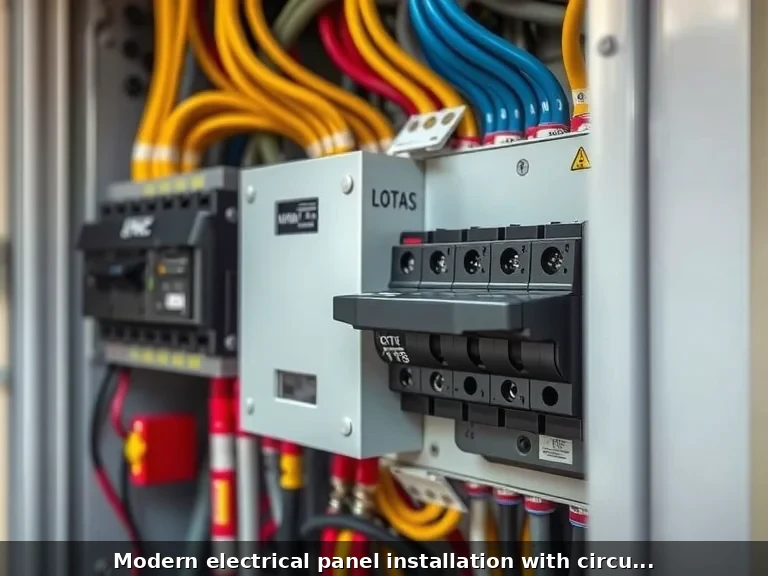
200-Amp Service
Modern Capacity Standard
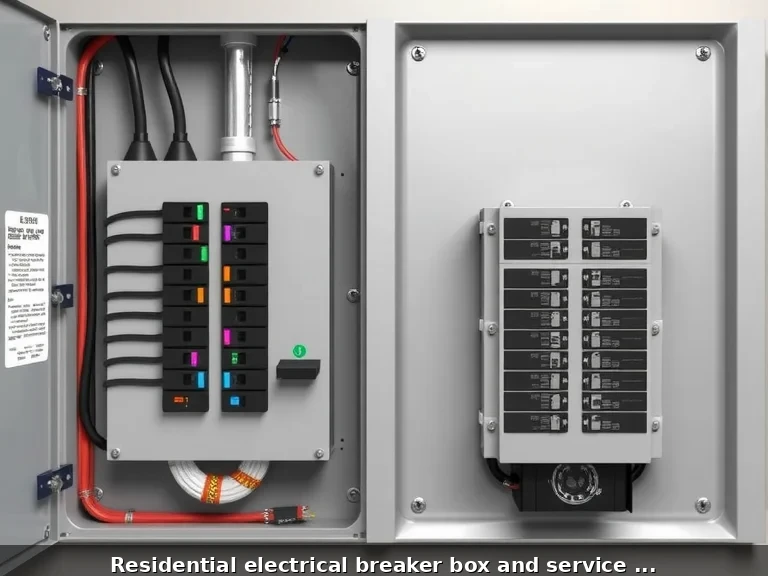
What is an Electrical Panel and Why Does It Matter?
An electrical panel, often called a breaker box or service panel, is the central hub that distributes electricity from the utility lines throughout your home. It houses circuit breakers or fuses that protect each individual circuit from overloads.
The panel's capacity, measured in amperes (amps), dictates how much total electrical power your home can safely use at one time. Older Denver homes, particularly those built before the 1990s, commonly have 60-amp or 100-amp panels. Modern electrical codes and lifestyle demands, however, often require 150-amp, 200-amp, or even 400-amp service.
"An insufficient panel is like having a two-lane highway for rush-hour traffic; it creates bottlenecks, hazards, and system failures."
Top 10 Signs You Need an Electrical Panel Upgrade in Denver
How do you know if your panel is failing? Look for these unmistakable warning signs. If you experience two or more, it's time to call a professional for an assessment.
Burning Smell or Scorch Marks
Any burning odor near the panel or visible discoloration, scorching, or melting on the panel itself is a severe fire hazard. Power down and call an electrician immediately.
Buzzing or Crackling Sounds
Unusual sounds from the panel indicate loose connections, arcing electricity, or failing components—all serious dangers requiring immediate attention.
Breakers That Won't Reset
A circuit breaker that trips and will not reset indicates a potential short circuit or a breaker that has failed due to age and overload.
Frequent Circuit Breaker Trips
If breakers trip regularly when using multiple appliances (like running the microwave and toaster oven), your panel is likely overloaded.
Flickering or Dimming Lights
Lights that dim when you turn on a vacuum cleaner or air conditioner indicate voltage drops caused by an overburdened system.
Outdated Fuse Box
If your home still uses a fuse box with screw-in fuses instead of a modern circuit breaker panel, it is definitively outdated and unsafe.
Reliance on Extension Cords
If you have a web of extension cords and power strips to power your rooms, your home lacks sufficient outlets, tracing back to an undersized panel.
Major Renovation Planned
Adding a home office, kitchen remodel, or new bathroom requires new circuits. Your existing panel must have capacity and space to support them.
Panel Over 25 Years Old
Like all components, electrical panels degrade. Older panels may not meet current National Electrical Code (NEC) standards for Denver.
Adding High-Demand Appliances
Installing an electric vehicle charger, tankless water heater, hot tub, or central air conditioning adds significant load. An upgrade is almost always necessary.
Don't Wait for a Fire
If you notice 2 or more warning signs, schedule an inspection immediately.
Schedule NowThe Critical "Why": Benefits of Upgrading Your Electrical Panel
Upgrading your panel delivers immediate and long-term advantages that go far beyond fixing a tripped breaker.
Enhanced Safety & Fire Prevention
Modern panels with arc-fault circuit interrupters (AFCIs) dramatically reduce the risk of electrical fires caused by arcing faults and overloads.
Increased Home Value
A 200-amp service is standard for modern homebuyers. An upgraded panel is a strong selling point and prevents deals from falling through during inspection.
Support for Modern Technology
Future-proof your home for electric vehicles, smart home systems, home offices, and luxury appliances without overloading the system.
Elimination of Nuisance Trips
Say goodbye to the frustration of resetting breakers every time you use the hair dryer and space heater in the same room.
Improved Efficiency
A robust, properly wired system reduces resistance and voltage drops, helping appliances run more efficiently and potentially lowering energy costs.
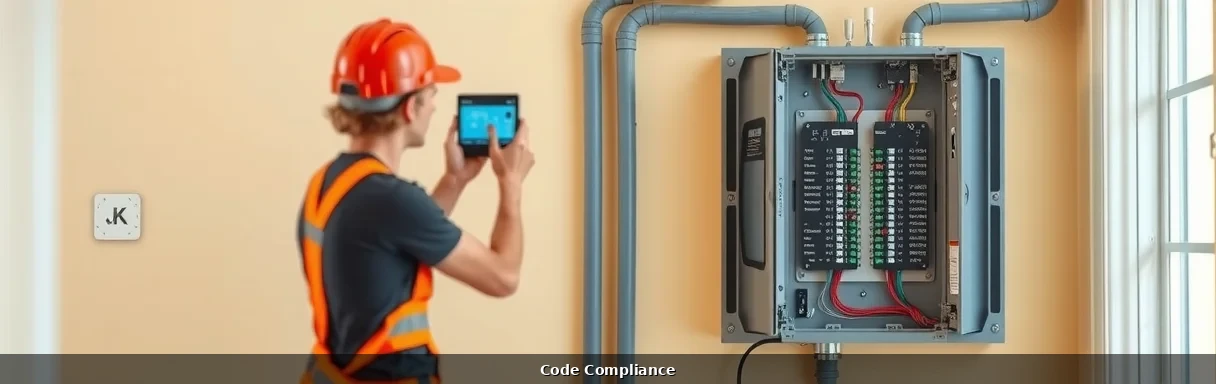
Code Compliance
An upgrade ensures your home meets current Denver Electrical Code Requirements, essential for insurance and legal compliance.
Peace of Mind is Priceless
Knowing your home's electrical heart is safe, reliable, and capable is invaluable. Don't gamble with outdated infrastructure.
Learn About Safety InspectionsThe Step-by-Step Process of a Panel Upgrade
Understanding the process demystifies the project and helps you prepare. Here is a typical sequence for a professional electrical panel upgrade Denver.
Initial Consultation & Assessment
A licensed electrician evaluates your current panel, service entry cables, and overall electrical system. They discuss your power needs and provide a detailed written estimate.
Obtaining Permits
Your electrician pulls all required permits from the City and County of Denver. This ensures the work will be inspected and approved, protecting you and future homeowners.
Utility Coordination
The electrician schedules with Xcel Energy to disconnect power at the meter. Plan for a 4-8 hour period without power during the actual swap.
Removal & Installation
The old panel is removed and the new, larger-capacity panel is installed. All existing circuits are transferred with proper bonding, grounding, and clear labeling.
Inspection & Re-energization
A city inspector verifies the work meets NEC and local code requirements. Once passed, the utility reconnects power and energizes the new panel.
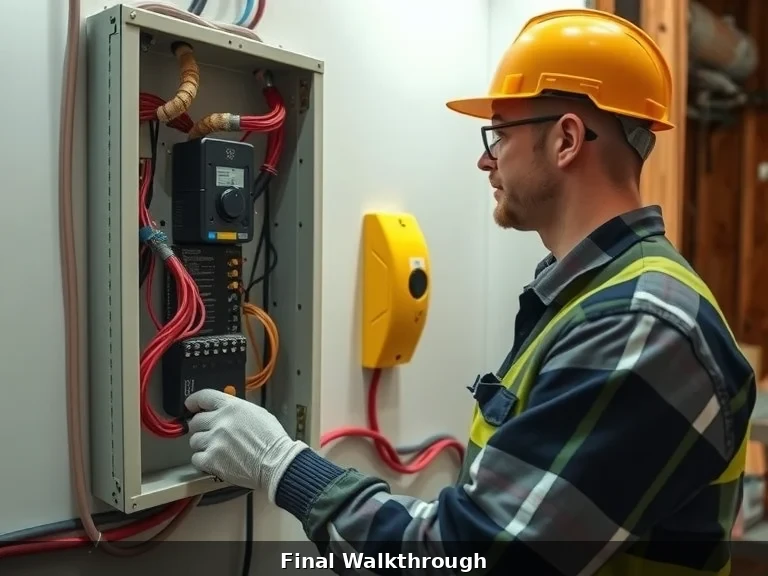
Final Walkthrough
The electrician tests all circuits with you present and provides documentation of permit closure and manufacturer warranties.
Timeline Expectations
- • Total project duration: 2-5 days
- • Power outage duration: 4-8 hours
- • Inspection scheduling: 1-2 days
Typical Investment Range
100-amp to 200-amp upgrade
- New 200-amp panel and breakers
- All permits and inspections
- Labor and materials
- Utility disconnect/reconnect
- Circuit labeling and documentation
Cost of Electrical Fire
$50,000+
Average Insurance Savings
10-15%
Understanding the Costs: Investment vs. Risk
The cost of an electrical panel upgrade Denver varies based on several factors, but homeowners can generally expect the range shown. This includes the panel, breakers, permits, labor, and utility fees.
Factors That Increase Cost:
- Service Line Upgrade: Replacing overhead or underground wires from utility pole to house
- Meter Can Upgrade: Installing new meter socket enclosure
- Subpanel Installation: Adding secondary panel for garage or addition
- Extensive Remediation: Addressing outdated knob-and-tube wiring discovered during project
The Real Comparison
While $2,500-$4,500 is significant, compare it to recovering from an electrical fire (exceeding $50,000) plus irreplaceable personal belongings. This is a proactive investment in safety and property value.
How to Choose the Right Denver Electrician for Your Upgrade
This is not a DIY project. The complexity and danger of working with main service lines require a licensed, insured, and experienced professional. Here's your checklist for vetting an electrician:
Verify Colorado State Electrical License
Ensure current, active license from Colorado State Electrical Board
Confirm Insurance Coverage
General liability and worker's compensation required
Check Local Experience
Familiarity with Denver codes, inspectors, and Xcel Energy procedures
Read Reviews & References
Check Google, BBB, and ask for recent panel upgrade references
Get Detailed Written Estimate
Itemized labor, materials, permits, and utility costs
Red Flags to Avoid
- Suggests skipping permits to "save money"
- Vague verbal quotes without written contract
- Pressure tactics or "today only" pricing
- No proof of insurance or license
Frequently Asked Questions About Panel Upgrades
Get answers to common questions about electrical panel upgrades in Denver.
From the initial assessment to final inspection, the entire process typically takes 2-5 days. The actual on-site work where your power is disconnected usually lasts one full business day (4-8 hours).
Possibly. Many insurance companies offer discounts for homes with updated electrical systems, as they significantly reduce fire risk. Contact your provider to inquire about potential savings.
Absolutely not. Working on a main service panel is extremely dangerous and illegal without a license. It requires specialized knowledge, tools, and permitting. Improper installation can lead to fire, electrocution, and will void your home insurance in the event of a claim.
Open slots indicate physical space for new breakers, but they do not guarantee your panel has the available electrical capacity (amps) to support more circuits. An electrician must perform a load calculation to determine if your total amperage is sufficient.
It's a difference of capacity. A 100-amp panel can safely deliver about 24,000 watts of power at once. A 200-amp panel can deliver 48,000 watts. Modern all-electric homes with EVs, heat pumps, and multiple large appliances often require 200-amp service as a minimum.
Yes. A final inspection by a city electrical inspector is mandatory to close the permit. This ensures the installation is safe and code-compliant, which is crucial for your safety and for any future home sale.
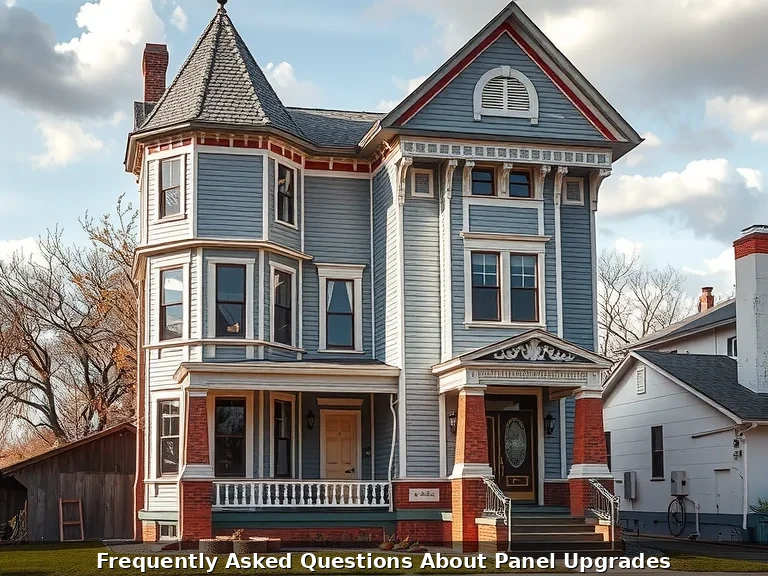
Serving Capitol Hill, Highlands, Wash Park & Beyond
The Denver-Specific Considerations
Denver's unique housing stock and climate present specific considerations for electrical upgrades. Understanding these local factors ensures your project meets both safety standards and regional demands.
Historic Homes
Many historic homes in Capitol Hill, Highlands, and Washington Park still have original 60-amp fuse boxes requiring complete modernization to handle today's electrical loads.
Dry Climate Risks
Denver's dry climate can make electrical fires spread more rapidly, underscoring the need for modern safety devices like AFCIs (Arc-Fault Circuit Interrupters).
Green Energy Integration
Denver's adoption of green energy initiatives means more homeowners are adding solar panels and battery backups, which often necessitate panel upgrades to handle bidirectional power flow.
Your Next Step: Schedule a Professional Assessment
If any of the warning signs in this guide resonate with you, the most prudent action is to get a professional evaluation. A licensed Denver electrician can perform a thorough load calculation, inspect your panel's condition, and provide a clear, honest recommendation. Don't wait for a warning sign to become an emergency.
Protect your home, your family, and your investment.
Contact Denver Electrician Authority today for a comprehensive, no-obligation assessment of your electrical panel. Our team of licensed, experienced professionals will guide you through the entire process, from permit to inspection, ensuring your upgrade is seamless, safe, and built to last.
Article last reviewed and updated: 2026