Smart Home Electrical Installation in Denver: Complete Guide

Transform your Denver home with intelligent automation. Learn planning, costs, code requirements, and how to hire a professional electrician for a safe, future-proof installation.

What is Smart Home Electrical Installation?

Smart home electrical installation refers to the specialized process of designing and implementing the electrical backbone that supports automated devices and systems within a home. Unlike traditional electrical work that focuses on providing power to outlets and fixtures, smart home installation integrates low-voltage wiring, communication protocols (like Wi-Fi, Zigbee, Z-Wave), centralized control panels, and dedicated circuits to create an interconnected ecosystem.

This foundational work enables devices—from smart thermostats and lighting to security cameras and voice-activated assistants—to communicate reliably and operate without overloading your home's electrical panel. In Denver's diverse housing stock, ranging from historic bungalows to modern condos, this process must be tailored to account for existing wiring age, panel capacity, and the unique demands of Colorado's climate.

Smart home control panel and electrical automation system in a Denver home

Core Components of a Smart Home Electrical System

A fully integrated system relies on several key electrical components working in harmony.

Smart electrical panel with circuit monitoring and load management capabilities

Smart Electrical Panel

An upgrade from a standard panel, smart panels like Span or Leviton provide real-time monitoring and control of individual circuits via an app, allowing you to manage energy usage and prioritize essential devices during outages.

Structured wiring enclosure with organized network cables and switches

Structured Wiring Enclosure

A centralized cabinet, often located in a basement or closet, that houses network switches, controllers, and patch panels for organized low-voltage cable management.

Electrician installing dedicated circuit for high-power smart appliances

Dedicated Circuits

Certain high-draw smart appliances (e.g., electric vehicle chargers, smart ovens, HVAC systems) require their own dedicated circuits to prevent tripping breakers and ensure safe operation.

Modern smart light switches with dimmer controls installed in wall

Neutral Wires

Modern smart switches and dimmers almost universally require a neutral wire in the wall box for constant low-power operation. Many older Denver homes lack these, necessitating rewiring.

Network infrastructure with Cat6 ethernet cables organized in server rack

Network Infrastructure

Robust, hardwired Ethernet (Cat6 or Cat6a) runs to key locations ensure reliable connectivity for access points, streaming devices, and security systems, far surpassing wireless-only setups.

Licensed electrician performing professional smart home electrical installation in Denver
Licensed & Insured in Colorado

Why Professional Installation is Non-Negotiable in Denver

Professional installation by a licensed Denver electrician is critical for safety, performance, and legal compliance. Colorado state law and the City and County of Denver require all electrical work beyond simple receptacle replacement to be permitted and inspected.

Safety Assurance

Professionals are trained to handle high-voltage wiring safely, properly ground systems, and install arc-fault circuit interrupters (AFCIs) where required.

Code Compliance

They secure the necessary permits and schedule inspections, providing you with documentation that proves your home's electrical modifications are legal and safe.

System Integration Expertise

An experienced electrician can foresee how new smart loads interact with your existing system, preventing overloaded panels and voltage drops.

Warranty Protection

Most smart device manufacturers require professional installation to uphold their product warranties. DIY work often nullifies this coverage.

For a deeper understanding of the regulatory landscape:

Review Denver Electrical Code Requirements

Pre-Installation Planning and Assessment

Thorough planning is the most crucial phase of any smart home project. This stage involves defining your goals, auditing your current electrical system, and creating a detailed roadmap.

1

Conduct a Home Electrical Audit

Before purchasing a single device, have a professional electrician perform a comprehensive audit. This audit should evaluate:

  • Service Panel Capacity: Determine if your current panel has sufficient spare capacity for new smart circuits.
  • Wiring Condition: Inspect the age and type of existing wiring (knob-and-tube, aluminum, or modern copper).
  • Circuit Mapping: Identify which outlets and fixtures are on which circuits.
  • Network Readiness: Assess the feasibility of running new low-voltage cables.
2

Define Ecosystem & Budget

Decide on the technology ecosystem you prefer, then create a realistic budget that includes:

  • Professional Labor: The largest cost component covering design, installation, permitting, and inspection.
  • Materials: Wiring, conduits, panels, boxes, and smart devices.
  • Contingency Fund: A reserve of 10-15% for unforeseen issues like discovering faulty wiring.
Professional electrician conducting home electrical audit for smart home readiness

Start with a Professional Assessment

Don't guess about your home's electrical capacity. Our licensed electricians provide comprehensive audits that identify exactly what your Denver home needs for a safe, code-compliant smart home installation.

Schedule an Inspection

Step-by-Step Installation Process

The following steps outline the typical workflow for a professional smart home electrical installation Denver project.

Electrical blueprints and permits for smart home installation

Phase 1: Design & Permitting

Your electrician creates a detailed electrical plan showing new circuits, wiring routes, and device locations. This plan is submitted to the Denver Department of Community Planning and Development to obtain the required electrical permit.

Electrician performing rough-in wiring for smart home systems

Phase 2: Rough-In Wiring

This is the "behind-the-walls" stage:

  • Run new Romex (NM-B) cables for dedicated circuits
  • Install conduit and low-voltage cables (Cat6, coaxial)
  • Set up backboxes for smart switches and sensors
  • Prepare for smart panel installation
Electrical panel upgrade to smart panel with circuit monitoring

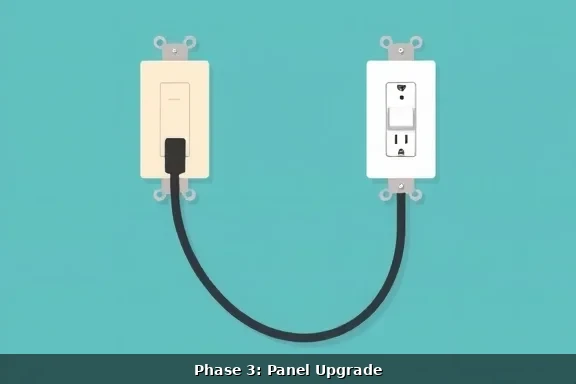
Phase 3: Panel Upgrade

If needed, the main service panel is upgraded or a sub-panel is installed. This may involve coordination with your utility provider (Xcel Energy in Denver). A new smart panel or energy monitoring system is installed at this time.

Installing smart switches and home automation devices

Phase 4: Device Installation

After walls are closed up and finished:

  • Install all smart switches, dimmers, and outlets
  • Mount controllers and network hardware
  • Terminate and label all cables systematically
  • Perform initial power-up and configuration
Final electrical inspection and system testing

Phase 5: Inspection & Integration

The completed work is inspected by a Denver city inspector to ensure code compliance. Once passed, the electrician and integrator finalize system programming, create user scenes and automations, and provide comprehensive homeowner training.

Cost Breakdown for Smart Home Electrical Work in Denver

Costs vary widely based on project scope, home size, and chosen technology. The following table provides realistic estimates for common Denver projects as of 2026.

Project Component Average Cost Range (Materials & Labor) Key Factors Influencing Cost
Whole-Home Electrical Panel Upgrade (to 200-amp) $2,500 - $4,500 Age of home, accessibility, utility coordination requirements
Installation of a Smart Electrical Panel (e.g., Span) $4,000 - $7,000+ Panel cost, complexity of circuit monitoring setup
Whole-Home Rewiring (for neutral wires & modern code) $8,000 - $15,000+ Home square footage, number of stories, wall construction
Structured Wiring Package (Ethernet & coax to 10 locations) $1,500 - $3,500 Number of drops, attic/basement accessibility, interior finish
Smart Lighting Installation (per switch/dimmer) $150 - $300 per device Switch type (standard, dimmer, multi-location), wiring condition
Dedicated Circuit Installation (e.g., for EV charger) $800 - $2,000 Distance from panel, amperage required (40-amp vs 60-amp), trenching needs

Get a Personalized Quote

Every home is different. Get an accurate estimate for your specific project.

Choosing an Electrician Guide

Denver-Specific Code Considerations and Challenges

Denver's building codes incorporate specific amendments that directly impact smart home installations. A proficient electrician will navigate these seamlessly.

Altitude Adjustments

Denver's 5,280-foot elevation reduces air density, which can affect the cooling of electrical equipment. Breakers and panels may need to be derated as per manufacturer specifications.

Wildfire Mitigation (WUI Codes)

For homes in the Wildland-Urban Interface, exterior electrical installations may require ember-resistant construction techniques.

Energy Code Compliance

Denver adheres to strict energy codes. Smart thermostats and lighting controls can help demonstrate compliance, but their installation must be documented correctly.

Historic District Regulations

If your home is in a historic district like Capitol Hill or Baker, exterior modifications and visible conduit runs may be subject to design review.

Historic Denver home with modern smart electrical installation
Local Expertise

We understand Denver's unique challenges, from altitude adjustments to historic preservation requirements.

Choosing the Right Smart Devices and Ecosystem

Selecting devices is about interoperability and longevity. Prioritize products that use standard protocols (Z-Wave, Zigbee, Thread) over proprietary systems, as they offer greater flexibility and future-proofing.

For lighting, brands like Lutron Caséta and RA2 Select are renowned for reliability. For security, hardwired camera systems (PoE) provide more stable performance than wireless models. Always ensure devices are listed by a Nationally Recognized Testing Laboratory (NRTL) like UL or ETL—a non-negotiable safety standard.

Pre-Installation Checklist for Homeowners

  • Define primary goals (Security, Energy, Convenience, Value)
  • Research and select a preferred smart home ecosystem/platform
  • Compile a wish list of desired smart devices and features
  • Locate and make accessible your main electrical panel
  • Clear access paths to attics, crawl spaces, and utility closets
  • Decide on a provisional budget range for the electrical work
  • Research and verify the license & insurance of potential electricians
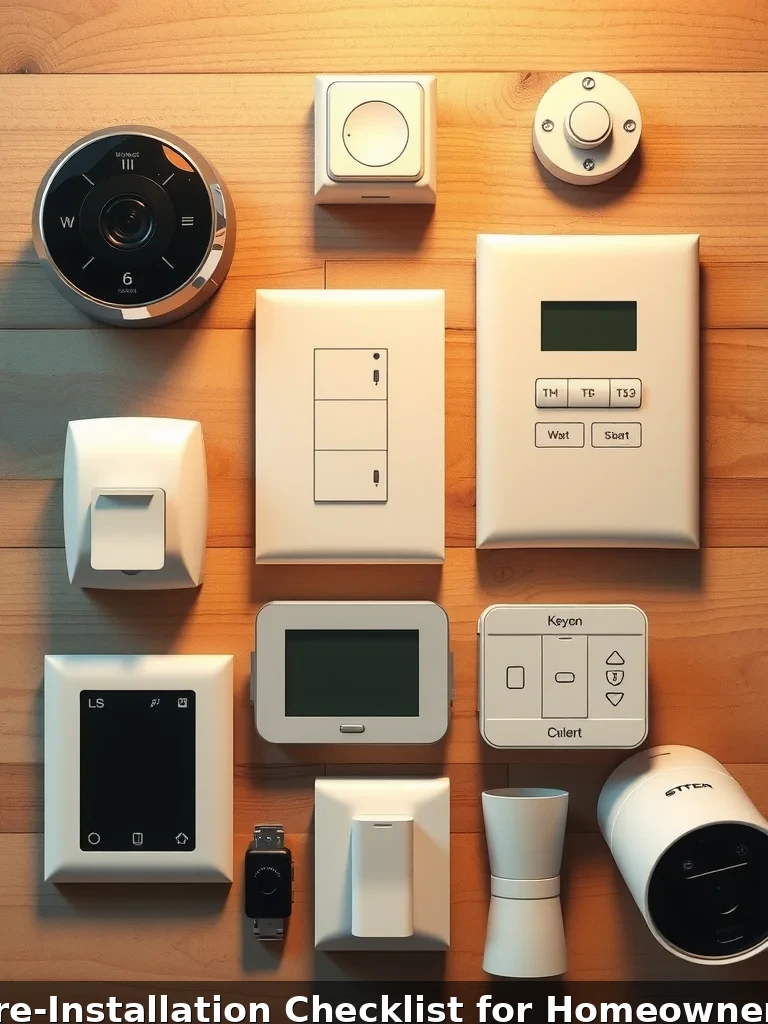
Various smart home devices including switches, thermostats, and security cameras
Z-Wave
Mesh Network
Zigbee
Low Power
Thread
IP Based
Wi-Fi
High Bandwidth

FAQ: Smart Home Electrical Installation in Denver

Common questions about smart home electrical work in the Denver area.

Do I need to upgrade my electrical panel for a smart home?

Not always, but it's very common. If your panel is older, has no spare breaker slots, or is already near capacity (e.g., a 100-amp panel in a modern, all-electric home), an upgrade to 200 amps is highly recommended to safely support new circuits for EV chargers, smart appliances, and robust lighting systems.

Can I install smart switches myself if my home doesn't have neutral wires?

It is strongly discouraged. While a few "no-neutral" smart switches exist, they often have compatibility issues and may not meet Denver code if installed in an improper box. A licensed electrician can assess if your wiring can be safely updated or recommend alternative solutions that comply with safety standards.

How long does a whole-home smart electrical installation take?

Timeline varies dramatically. A simple panel upgrade might take 1-2 days. A comprehensive whole-home rewire and integration for a 2,500 sq. ft. home can take 2-3 weeks, divided into rough-in and finish phases, with time for inspections and drywall repair in between.

Will smart home installation increase my property value in Denver?

Yes, when done professionally. Appraisers and Denver homebuyers increasingly value energy-efficient, secure, and modern homes. A permitted, integrated smart home system is seen as a premium upgrade, similar to a renovated kitchen, with a strong potential return on investment at sale.

What's the difference between a residential electrician and a smart home installer?

A licensed residential electrician handles the high-voltage power infrastructure—panels, wiring, circuits—ensuring everything is safe and to code. A smart home installer (or integrator) typically focuses on the low-voltage networking and programming of the devices. The best projects involve collaboration between both, or a firm like Denver Electrician Authority that offers comprehensive residential electrical services with smart home expertise.

Building a Smarter, Safer Denver Home

Embarking on a smart home journey is an exciting investment in your comfort, security, and property's future. The critical takeaway is that the intelligence of your home is only as reliable as the electrical foundation that supports it. Cutting corners on planning, permitting, or professional installation invites risk and can turn a dream upgrade into a costly nightmare.

By partnering with a licensed, experienced Denver electrician who understands both the National Electrical Code and the unique demands of Colorado homes, you ensure your system is safe, compliant, and built to last for decades. Start your project with knowledge, a clear plan, and the right professional team.
John Carlson, Master Electrician and founder of Denver Electrician Authority

About the Author

John Carlson is a Master Electrician and the founder of Denver Electrician Authority, with over 20 years of experience serving the Denver metro area. He holds certifications in home automation system design and is a specialist in integrating advanced electrical solutions with historic and modern Denver homes. His work ensures every project meets the highest standards of safety and code compliance.

Master Electrician License #CO-ME-2026-0041

Ready to Transform Your Denver Home?

Contact Denver Electrician Authority today for a comprehensive assessment and detailed quote. Our licensed experts will guide you from concept to completion, ensuring your smart home is a masterpiece of modern living and electrical safety.