Commercial vs Residential Electrical Work in Denver: Key Differences
Understanding the fundamental differences between commercial vs residential electrical Denver projects is the first step to ensuring your property's electrical system is safe, efficient, and code-compliant.
While both involve wiring, outlets, and lighting, the scale, complexity, regulations, and objectives are worlds apart. A residential electrician focuses on single-family homes, condos, and apartments, prioritizing safety, convenience, and aesthetics for daily living. In contrast, a commercial electrician handles offices, retail stores, warehouses, and industrial facilities, where the demands center on high power capacity, system uptime, scalability for business operations, and strict adherence to commercial building codes.
For Denver homeowners and business owners alike, hiring a specialist with the correct licensing and experience is non-negotiable. This comprehensive guide will dissect every key difference, from the National Electrical Code (NEC) and Denver-specific amendments to project timelines, material choices, and long-term maintenance strategies.
By the end, you'll know exactly what to look for when hiring an electrician and how to plan your next electrical project with confidence. For a broader overview of available services, explore our Complete Guide to Electrical Services in Denver: What's Available.
Defining Residential Electrical Work
Residential electrical work refers to the installation, maintenance, repair, and upgrade of electrical systems within dwellings designed for living. This includes single-family homes, townhouses, multi-family units like duplexes and apartment buildings (up to a certain size/occupancy), and condominiums.
The primary focus is on creating a safe, comfortable, and convenient environment for occupants, with systems typically operating on a 120/240-volt single-phase power supply. Common residential projects involve panel upgrades, adding new circuits for kitchens or home offices, installing lighting fixtures and ceiling fans, troubleshooting faulty outlets, and implementing home automation or security systems.
The work is often guided by the residential provisions of the National Electrical Code (NEC) and local amendments, such as those enforced by the City and County of Denver. Safety for a family and protection of the home structure are paramount. For dedicated home services, learn more from our Residential Electrician Denver: Complete Home Electrical Services.
Defining Commercial Electrical Work
Commercial electrical work encompasses all electrical services for buildings and facilities used for business, retail, institutional, or industrial purposes. This broad category includes office buildings, shopping centers, restaurants, hospitals, schools, warehouses, manufacturing plants, and data centers.
Commercial systems are characterized by their use of three-phase power (often 120/208V or 277/480V), which provides greater efficiency and power for heavy machinery, extensive lighting loads, and HVAC systems. The scale is larger, the wiring methods are different (often using conduit like EMT), and the design must account for future business growth, energy efficiency for cost control, and stringent life-safety codes including fire alarm systems, emergency lighting, and exit signs.
The work is governed by the commercial and industrial sections of the NEC, along with additional standards from OSHA, the International Building Code (IBC), and local authorities having jurisdiction (AHJs) like Denver's Community Planning and Development department.
Key Differences: A Detailed Comparison
The divergence between residential and commercial electrical projects can be broken down into several core areas: electrical codes and permits, system design and complexity, materials and components, project scale and timeline, and the required expertise of the electrician.
| Feature | Residential Electrical Work | Commercial Electrical Work |
|---|---|---|
| Primary Power Supply | 120/240V, Single-Phase | 120/208V or 277/480V, Three-Phase |
| Typical Wiring Method | Non-metallic (NM) sheathed cable (Romex) run through studs and joists. | Electrical metallic tubing (EMT) or other conduit, often exposed in ceilings or run in dedicated shafts. |
| Primary Electrical Code | NEC Article 210 (Branch Circuits), 220 (Load Calculations), 404 (Switches). Focus on dwelling units. | NEC Articles for commercial occupancies, plus strict adherence to IBC, OSHA, and local fire codes. |
| Permit & Inspection Process | Generally simpler, focused on single dwelling unit safety. Inspections by Denver Residential Building Review. | More complex, often requiring multiple trades coordination, plan reviews, and inspections by Denver Commercial Building Review. |
| System Design Focus | Safety, convenience, aesthetics, and energy efficiency for a family. | Maximum uptime, scalability, energy management for cost savings, and compliance with life-safety systems. |
| Common Components | Standard breakers, GFCI/AFCI outlets, light fixtures, dimmer switches, residential panels (100-200 Amp). | Heavy-duty breakers, motor starters, transformers, high-bay lighting, commercial-grade panels (400+ Amp), Uninterruptible Power Supplies (UPS). |
| Project Timeline | Often days to a week for major projects (e.g., panel upgrade, kitchen rewire). | Weeks to months for new construction or major retrofits, involving detailed planning and phased execution. |
| Electrician Expertise | Licensed residential electrician with expertise in home systems, aesthetics, and working in occupied spaces. | Licensed commercial electrician with expertise in complex systems, blueprints, code compliance, and coordinating with other trades. |
| Cost Drivers | Labor, materials, accessibility within finished walls, specific fixture choices. | Scale of the system, complexity of design, cost of commercial-grade materials, permitting fees, and potential business downtime. |
Electrical Codes and Permits in Denver
Electrical codes are the legally enforceable rules that govern the safe installation of electrical wiring and equipment. The foundation is the National Electrical Code (NEC), published by the National Fire Protection Association (NFPA) and updated every three years.
For residential work, electricians must follow the NEC's dwelling unit requirements, which cover everything from the number of outlets per wall to the placement of smoke detectors. Denver may have specific rules about outdoor receptacle covers due to weather or requirements for arc-fault circuit interrupters (AFCIs) beyond the NEC minimums.
Commercial electrical codes are exponentially more complex. While based on the same NEC, commercial projects must also comply with the International Building Code (IBC) for construction types and occupancy loads, OSHA standards for worker and workplace safety, and the Americans with Disabilities Act (ADA) for switch and outlet placement.
Critical Compliance Note
In Denver, commercial projects require a detailed plan review by the Commercial Building Review team before a permit is issued. Failure to comply can result in failed inspections, project delays, fines, or even orders to cease operation.
System Design and Complexity
Residential Design
A residential electrical system is designed for predictable, relatively low-power loads. The design process involves creating a circuit map that safely distributes power to lighting, appliances, and outlets without overloading any single circuit.
Commercial Design
Commercial system design is an engineering discipline. It begins with a load analysis to calculate the total electrical demand of all equipment, lighting, HVAC, and machinery, plus a factor for future expansion.
The system must be designed for reliability; a power outage in a data center or restaurant can mean massive financial loss. This often leads to designs with redundant circuits, backup generators, and Uninterruptible Power Supply (UPS) systems.
Business Planning Guide
Materials, Components, and Installation Methods
The materials used in residential and commercial work differ significantly due to code requirements, environmental factors, and durability needs.
-
Residential: NM Cable (Romex)
Bundled cable containing insulated hot, neutral, and ground wires, sheathed in flexible plastic. Cost-effective for protected environments inside home walls.
-
Commercial: EMT Conduit
Metal or plastic tubing protecting individual THHN/THWN wires. Provides superior physical protection, easy upgrade path, and fire containment.
The installation methods reflect these material differences. A residential electrician is skilled at working quickly within framed walls before drywall is installed, or carefully retrofitting into finished spaces with minimal disruption.
Project Scale, Timeline, and Cost Considerations
Residential Scale
Timeline: 3-5 days for full rewiring of 2,000 sq ft home
- • Labor hours (accessibility dependent)
- • Fixture choice variance
- • Panel upgrade needs
- • Lower permitting fees
Commercial Scale
Timeline: 4-6 weeks for 5,000 sq ft office TI
- • Three-phase service costs
- • Engineering & design fees
- • Material & conduit costs
- • Business interruption factors
While commercial projects have a higher absolute cost, the cost per square foot can be competitive due to economies of scale and standardized installation methods in open spaces.
Calculate Your Project Cost
Denver Market Insight
Commercial permits require detailed plan reviews by Denver's Commercial Building Review team before issuance.
Pros and Cons: Hiring a Residential vs. Commercial Electrician
Choosing an electrician with the wrong specialization can lead to code violations, unsafe conditions, and project failure.
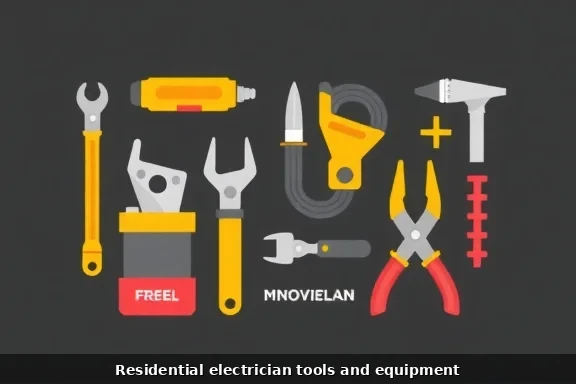
Residential Electrician for Home Projects
Pros
- • Deep knowledge of NEC dwelling unit codes and AFCI/GFCI requirements
- • Skilled at working cleanly in occupied homes with minimal drywall damage
- • Direct homeowner interaction with focus on convenience
- • Cost-effective operational structure for smaller projects
Cons
- • Unfamiliar with IBC, OSHA, or life-safety system requirements
- • Lacks tools for large conduit runs or high-voltage termination
- • Insurance may exclude commercial job sites
Commercial Electrician for Business Projects
Pros
- • Expertise in complex NEC, IBC, and Denver commercial amendments
- • Experience managing crews and coordinating with other trades
- • Access to commercial-grade equipment and supplier relationships
- • Focus on system reliability and minimizing business downtime
Cons
- • May over-engineer home projects with unnecessary commercial materials
- • Higher minimum costs due to mobilization and overhead
- • Less focus on aesthetic finish work in visible home areas
The Verdict: How to Choose the Right Electrician in Denver
For Residential Projects
Always hire a licensed electrician who specializes in residential work. Look for a contractor familiar with Denver's specific residential code amendments, clear communication, and detailed estimates.
View Residential Selection Guide →For Commercial Projects
Imperative to hire a licensed contractor with proven commercial track record. Must employ licensed master electrician, carry substantial commercial liability insurance, and provide engineered drawings.
View Commercial Contractor Guide →The Bottom Line
The worlds of residential and commercial electrical work are distinct professions under the same electrical license umbrella. Match the specialist to the project. Using a commercial electrician for your home remodel is overkill and will cost significantly more. Using a residential electrician for your restaurant build-out is a profound risk that could result in code violations, unsafe conditions, and business closure.
Frequently Asked Questions
While technically possible if they hold a valid license, it is strongly discouraged. Even a small commercial space must comply with commercial building codes (IBC), have proper ADA-compliant device placement, and may require three-phase power or specific exit and emergency lighting. A residential electrician likely lacks experience with these requirements, increasing your risk of non-compliance.
Three-phase power is more efficient for transmitting electricity and provides a smoother, more consistent power delivery to large motors and heavy equipment found in commercial settings (e.g., HVAC compressors, industrial machinery, elevators). The higher voltage (277/480V) also allows for powering many fluorescent/LED lighting fixtures with less current, reducing wire size and energy loss. Residential loads don't require this level of efficiency or capacity.
Yes, significantly. Denver's permit fees are based on the valuation of the electrical work. A commercial project's valuation (including materials, labor, and equipment) is typically orders of magnitude higher than a residential one, leading to a higher permit fee. The plan review process for commercial permits also incurs separate fees.
The scale of hazard. A fault in a residential 120V circuit can cause a fire or shock. A fault in a commercial 480V circuit or within large switchgear carries a much higher risk of catastrophic arc flash—an explosive release of energy that can cause severe burns and be fatal. Commercial electricians require specific training (NFPA 70E) and personal protective equipment (PPE) to work on energized equipment safely.
The NEC recommends a residential electrical inspection when buying a home, after major renovations, or every 10 years. Commercial facilities, due to their complexity and higher use, should have a routine inspection and preventive maintenance program annually or biannually. This includes thermal imaging scans, tightening connections, and testing life-safety systems. For homes, consider a Denver Home Electrical Safety Inspection: What to Expect.
Conclusion and Next Steps
The divide between commercial and residential electrical work in Denver is defined by code, complexity, and purpose. Whether you're a homeowner planning a kitchen upgrade or a business owner building out a new office, recognizing these differences is the key to a successful, safe, and code-compliant project.