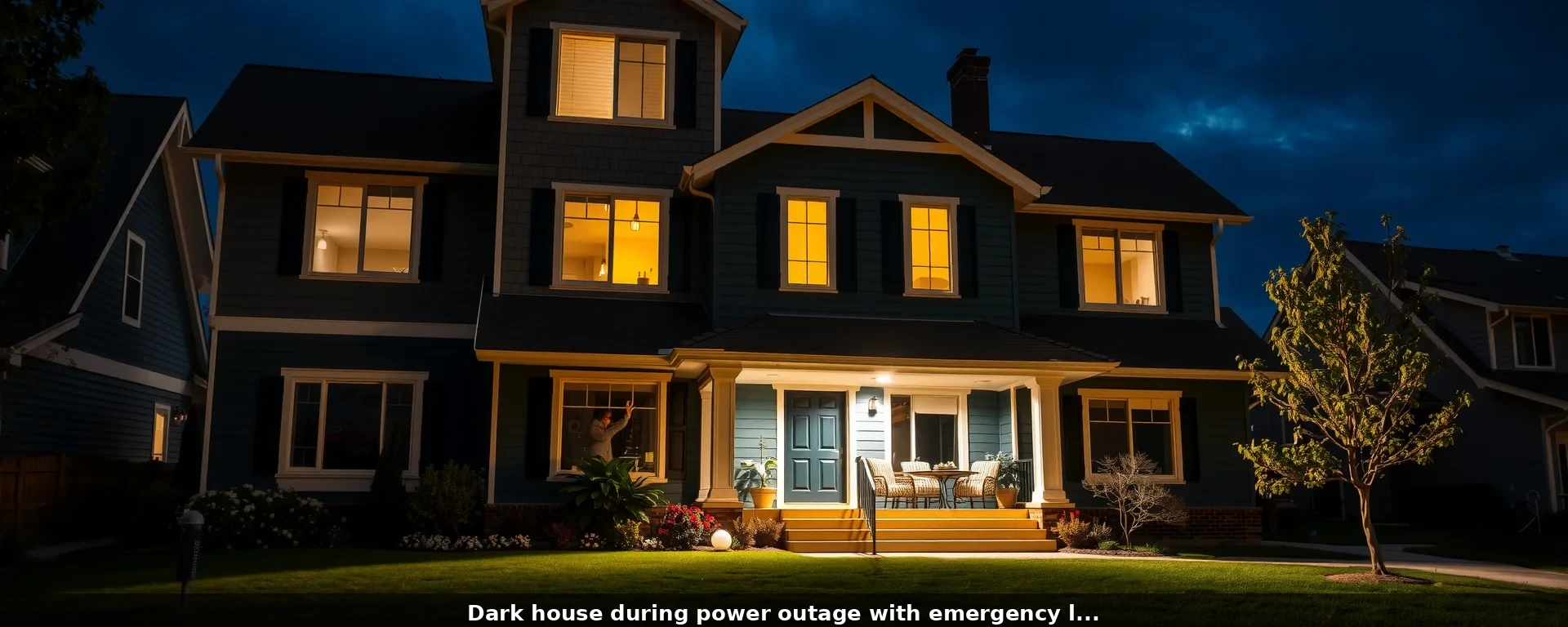
Denver Power Outage Solutions: When to Call an Emergency Electrician
A sudden loss of power in your Denver home or business is more than an inconvenience; it's a disruption to your safety, comfort, and daily life. Understanding the right Denver power outage solutions is the critical first step to restoring your electricity safely and efficiently.
Understanding Power Outages: Causes and Immediate Actions
A power outage is the complete loss of electrical power to a building or a specific circuit. In Denver, outages can be triggered by a wide array of factors, from severe Front Range weather to aging home infrastructure. Your immediate response can prevent damage and identify the scope of the problem.
First, determine the scale of the outage. Is it just your home, or are your neighbors also without power? Check your smartphone or a battery-powered radio for news of widespread outages from Xcel Energy or other local utilities. If the outage is localized to your property, your next step is to check your main electrical panel.
Check the Main Service Panel
Locate your circuit breaker box or fuse panel. Look for any breakers that have tripped to the "OFF" position or are in a middle position.
Perform a Safe Reset
To reset a tripped breaker, firmly switch it to the full "OFF" position first, then back to "ON." Do not force it.
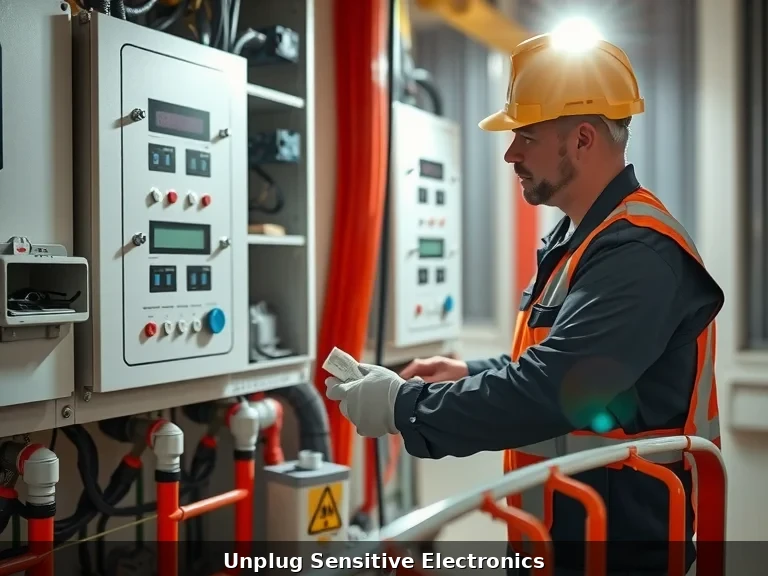
Unplug Sensitive Electronics
Protect computers, televisions, and appliances from potential power surges when electricity returns.
Safety Tip: Use flashlights, not candles. Avoid candles due to the significant fire risk, especially if the cause of the outage is unknown.
Top 5 DIY Denver Power Outage Solutions
Before calling for professional help, there are several safe and effective troubleshooting steps every Denver homeowner should know. These solutions can resolve common, non-hazardous issues quickly.
Systematically Reset GFCI Outlets
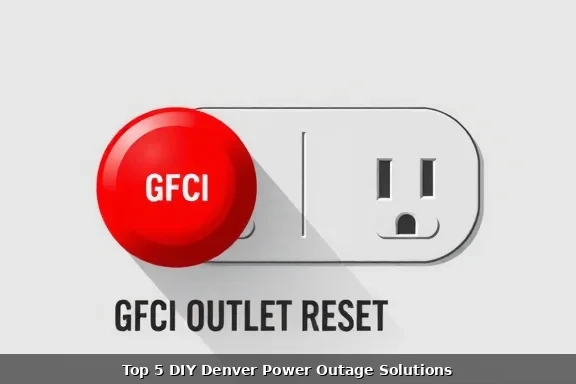
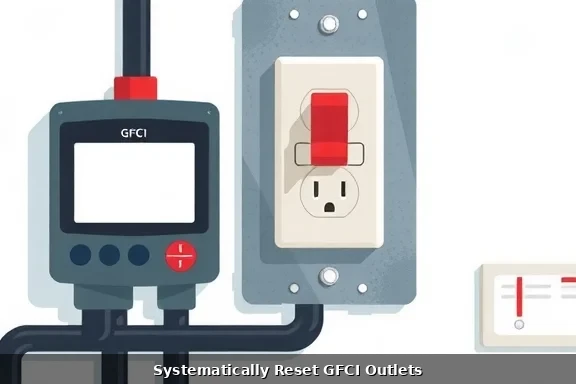
Ground Fault Circuit Interrupter (GFCI) outlets are required in kitchens, bathrooms, garages, and outdoor areas. A tripped GFCI can cut power to all standard outlets downstream on the same circuit. Walk through your home and press the "RESET" button on every GFCI outlet you find.
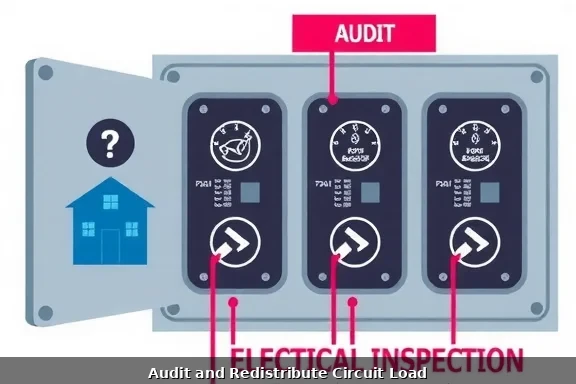
Audit and Redistribute Circuit Load
Modern homes have many high-wattage appliances. If your outage occurs when you turn on a vacuum, space heater, or hair dryer, you've likely overloaded a circuit. Unplug some devices on that circuit and plug them into an outlet on a different circuit.
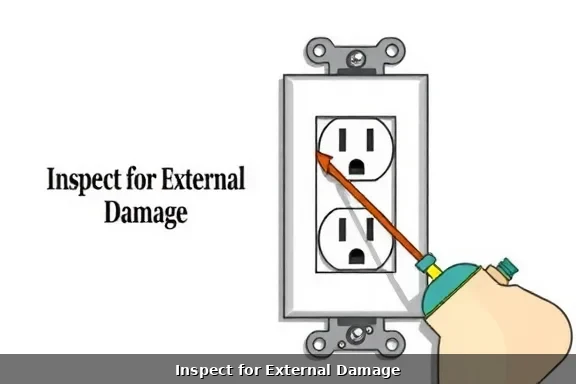
Inspect for External Damage
After a storm, visually inspect the service drop (the wires running from the utility pole to your house) and your meter box for obvious damage like fallen branches or torn lines. Do not touch these lines. If you see damage, contact your utility company immediately.
Test with a Known-Working Device
If a single outlet or room is dead, test it with a small lamp or phone charger you know works elsewhere. If the device doesn't work, the issue is likely isolated to that circuit's wiring or a specific failed outlet.

Check for Local Utility Alerts
Denver utilities like Xcel Energy have online outage maps and alert systems. A quick check can tell you if crews are already dispatched to your area for a known grid issue, saving you diagnostic time.
These solutions are effective for minor, localized issues. For a full list of common home electrical issues, explore our Top 10 Denver Electrician Services.
Critical Red Flags: When You Must Call an Emergency Electrician Immediately
An emergency electrical situation is defined by imminent risk to life or property. Ignoring these red flags can lead to electrocution, fire, or catastrophic equipment failure. If you encounter any of the following, cease all troubleshooting and contact a licensed emergency electrician without delay.
The Smell of Burning Plastic or Smoke
This is the most urgent sign. It indicates overheating wires, melting insulation, or an electrical fire inside your walls. Evacuate the area if safe to do so and call 911, then your electrician.
Visible Sparks, Arcing, or Flames
Any visible electrical discharge is a severe hazard. It signifies a loose connection, faulty wiring, or a failing component that can instantly ignite surrounding materials.
Buzzing, Humming, or Crackling Sounds
Electricity should be silent. Audible noise from your panel is a symptom of a failing breaker, a loose connection arcing, or overloaded components under extreme stress.
Breakers That Trip Instantly Upon Reset
A breaker that will not stay reset is doing its job—protecting you from a direct short or ground fault. Forcing it can cause the breaker itself to fail or start a fire.
Water Infiltration Near Electrical Systems
If you have flooding in a basement with outlets, or a leak near your main panel, the risk of electrocution and short-circuiting is extreme. Do not enter standing water near electrical sources.
Denver Electrician Authority provides 24/7 emergency response for these exact scenarios. Understanding the difference between a simple repair and an emergency is crucial. Learn more about licensed vs unlicensed electricians.
The Professional Process: What an Emergency Electrician Does
When you call a professional for emergency Denver power outage solutions, they follow a rigorous, safety-first protocol to diagnose and resolve the issue.
1. Safety Assessment & Isolation
The electrician's first task is to make the worksite safe. This may involve shutting off power at the main disconnect, verifying lockout/tagout procedures, and using voltage testers to confirm circuits are dead before any hands-on work begins.
2. Systematic Diagnostic Testing
Using tools like multimeters, circuit tracers, and thermal imaging cameras, the electrician will test voltages, check for continuity, and identify the precise location of the fault.
3. Fault Identification & Explanation
A reputable electrician will clearly explain what they found, why it failed, and the options for repair—whether it's a double-tapped breaker, aluminum wiring that needs pigtailing, or a corroded neutral bus bar.
4. Code-Compliant Repair or Replacement
All repairs are performed in strict accordance with the National Electrical Code (NEC) and local Denver amendments. This ensures the repair doesn't create a new violation or hazard.
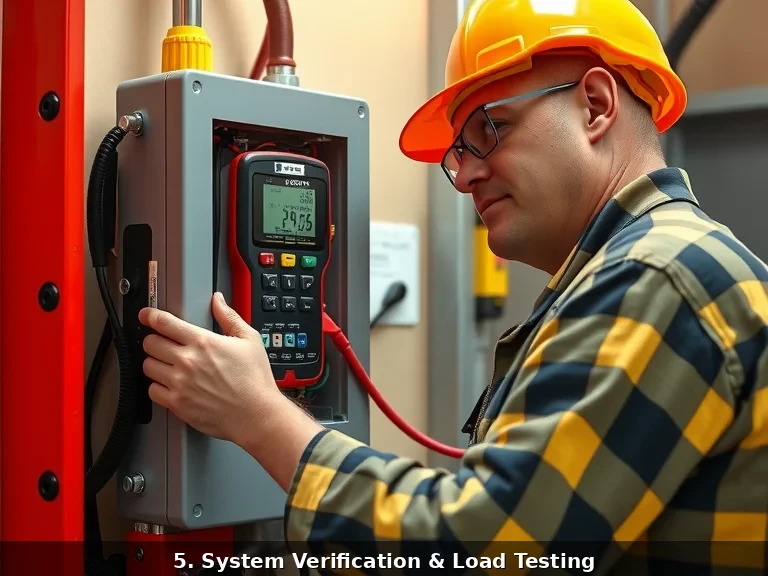
5. System Verification & Load Testing
After the repair, the electrician will restore power in stages, test the repaired circuit under load, and verify that all related systems are functioning correctly.
Preventing Future Outages: Proactive Electrical Maintenance for Denver Homes
The most effective Denver power outage solutions are the ones that prevent outages from happening in the first place. Proactive maintenance by a qualified electrician can identify and rectify small problems before they escalate into full-blown emergencies, saving you money, stress, and risk.
Annual Panel Inspection
Checking for signs of corrosion, overheating, proper torque on connections, and ensuring breakers are properly sized and functioning.
GFCI & AFCI Testing
Manually testing every Ground Fault and Arc Fault Circuit Interrupter monthly to ensure they trip as designed, providing critical shock and fire protection.
Thermal Imaging Scan
Using an infrared camera to detect "hot spots" in walls, outlets, and panels that indicate loose connections or overloaded components long before they fail.
Whole-House Wiring Assessment
Evaluating the age and condition of wiring, especially in older Denver homes that may have knob-and-tube or outdated aluminum wiring.
Load Calculation Update
As you add new appliances, home offices, or EV chargers, your home's electrical demand changes. A professional can calculate if your current service panel can handle the load.
Investing in this preventative care is especially important for Denver's older housing stock. To understand potential costs, view our Denver Electrician Costs Guide.

Denver Power Outage Solutions for Businesses: Protecting Your Operations
A power outage for a Denver business isn't just a nuisance; it's a direct threat to revenue, data, inventory, and customer trust. Commercial Denver power outage solutions require a more robust, multi-layered approach than residential strategies, focusing on continuity and rapid recovery.
Backup Power Systems
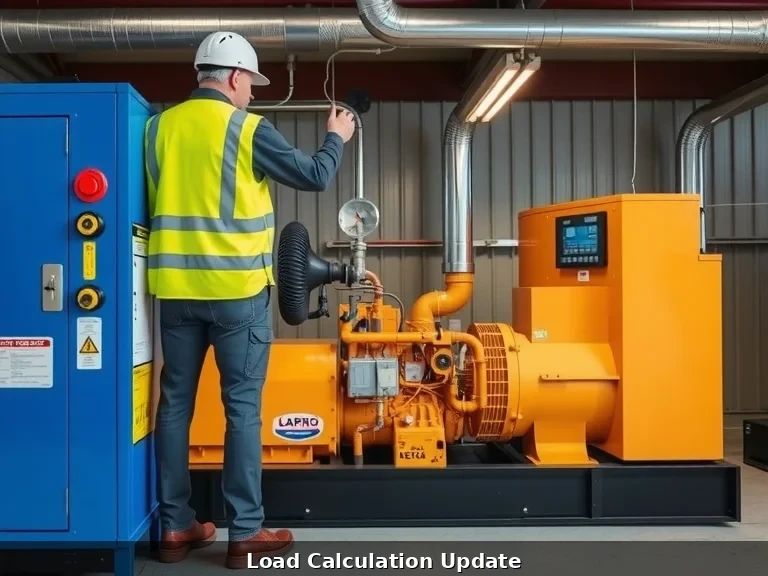
Installing a permanently wired standby generator with an automatic transfer switch ensures critical systems—like refrigeration, servers, security, and point-of-sale—remain online during a grid outage.
Uninterruptible Power Supply (UPS)
Protecting servers, network hardware, and specialized machinery from even brief power flickers or surges that can cause data corruption or hardware failure.
Regular Preventative Maintenance Contracts
Scheduled, after-hours inspections and testing of all commercial electrical systems, from distribution panels and transformers to motor controls and lighting contactors.
Emergency Lighting & Egress Path Verification
Ensuring all exit signs and emergency lighting are functional and compliant with Denver fire codes to guide safe evacuation during any outage.
FAQ: Denver Power Outage Solutions
Common questions about handling power outages in Denver homes and businesses.
How long should I wait before calling an electrician during a power outage?
If you have confirmed the outage is only in your home (neighbors have power) and basic DIY steps like checking breakers and GFCIs have failed, you should call within an hour. If you notice any red flags like burning smells or sparks, call immediately.
Will my homeowner's insurance cover the cost of an emergency electrician?
It depends on the cause. Insurance typically covers sudden, accidental damage (like a tree limb falling on your service line). It generally does not cover repairs due to normal wear and tear, lack of maintenance, or code violations. Always check your policy and document the damage.
What's the average response time for an emergency electrician in Denver?
Reputable 24/7 services like Denver Electrician Authority typically aim for a 60-90 minute response time for genuine emergencies, depending on location and weather conditions. Non-emergency calls may be scheduled for the next available business day.
Can a power outage damage my appliances?
Yes. The most common damage occurs from power surges when electricity is restored. Always unplug sensitive electronics (TVs, computers, gaming consoles) during an outage or use quality surge protectors on all major appliances.
My power is back but some outlets still don't work. What does this mean?
This often indicates a failed GFCI outlet that needs replacement or a wiring fault on that specific circuit that was exposed during the outage. A persistent dead circuit requires professional diagnosis to rule out a hazardous condition.
How can I prepare my home for future Denver power outages?
Create an outage kit with flashlights, batteries, a battery-powered radio, and portable chargers. Consider installing a whole-house surge protector and discuss a standby generator with a licensed electrician if outages are frequent in your area.
Secure Your Power and Peace of Mind Today
Don't wait for the next storm or flickering light to become a full-blown emergency. Understanding your Denver power outage solutions empowers you to act wisely, but knowing when to call in the professionals protects everything you value.
Whether you need an immediate emergency response, a thorough system inspection to prevent future problems, or expert advice on backup power solutions, Denver Electrician Authority is your trusted local partner in Denver, Colorado.