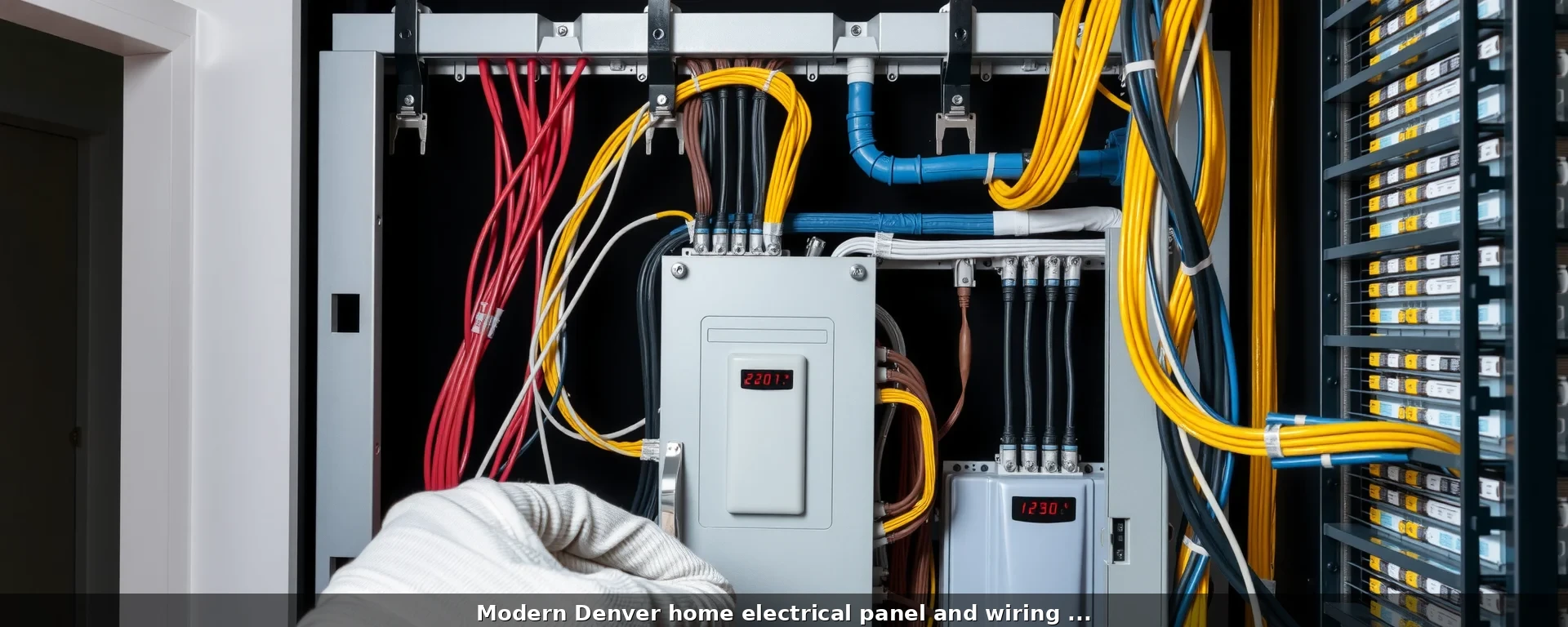
Residential Electrical Services in Denver
Finding a reliable residential electrician Denver homeowners can trust is the cornerstone of maintaining a safe, efficient, and modern home.
Electrical systems are the lifeblood of any residence, powering everything from essential lighting and climate control to the smart devices that define contemporary living. In Denver, where homes range from historic bungalows to new-build smart homes, the demands on electrical infrastructure are diverse and evolving. This comprehensive guide serves as your definitive resource for understanding, planning, and executing all types of residential electrical work.
Understanding Residential Electrical Systems
A residential electrical system is the integrated network of components that safely generates, distributes, and controls electricity within a home. This complex system begins at the utility service drop, travels through the meter and main service panel, and branches out via circuits to outlets, switches, and appliances throughout the property.
For Denver homeowners, understanding this system is crucial not only for troubleshooting issues but also for planning upgrades that enhance safety, capacity, and functionality. Modern systems must balance increasing electrical loads from electric vehicles and home offices with the stringent safety requirements outlined in the National Electrical Code (NEC) and local amendments.
Denver Electrical Code Requirements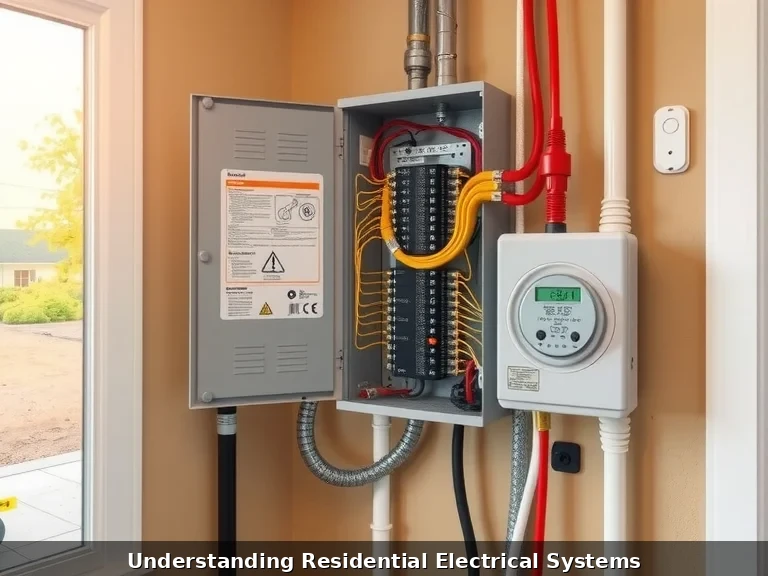
Service Entrance
The point where utility power enters your home, consisting of overhead or underground lines, the meter socket, and the weatherhead.
Main Service Panel
The "heart" of the system housing circuit breakers or fuses that protect individual circuits from overloads. Outdated panels are significant fire hazards.
Branch Circuits
Individual pathways delivering power to specific areas, defined by amperage (15-amp for lighting, 20-amp for outlets, 30-50 amp for appliances).
Wiring
Conductive material (typically copper or aluminum) housed within non-conductive sheathing or conduit, carrying current throughout the home.
Devices
All endpoints including switches, outlets (receptacles), lighting fixtures, and dedicated appliance connections. A failure in any component can lead to flickering lights or serious electrical fires.
Essential Residential Electrical Services
Home electrical services encompass a wide range of installations, repairs, and maintenance tasks designed to ensure safety, reliability, and convenience. A full-service house electrical services Denver provider offers a comprehensive portfolio.
Electrical Inspections & Safety Audits
A professional home electrical safety inspection is a systematic evaluation of your entire electrical system. This service is critical for identifying hidden hazards, verifying code compliance, and assessing the system's capacity for additional load.
- ✓ Examination of service panel and breaker integrity
- ✓ Testing outlets for proper grounding and polarity
- ✓ Checking for overloaded circuits and wiring integrity
Electrical Repair & Troubleshooting
Electrical repairs address malfunctions and failures to restore safe operation. Common issues requiring immediate attention include frequent breaker tripping, flickering lights, buzzing sounds, and warm outlets.
- ✓ Circuit breaker diagnosis and replacement
- ✓ Short circuit and wiring fault isolation
- ✓ Outlet and switch repair/replacement
Electrical Installation & Upgrades
Installation services add new electrical elements, while upgrades improve existing components. These projects provide the best ROI in terms of safety, convenience, and property value.
- ✓ 100-amp to 200/400-amp service upgrades
- ✓ Whole-house rewiring and circuit additions
- ✓ Lighting, outlet, and appliance circuits
Specialty & Modern Solutions
Today's homes demand more than basic power. Specialty services integrate technology, efficiency, and renewable energy for modern living.
- ✓ Level 2 EV charger installation
- ✓ Smart home integration and automation
- ✓ Whole-house surge protection
The Critical Importance of Hiring a Licensed Residential Electrician
Electrical work is not a DIY project. The risks of electrocution, fire, and catastrophic property damage are far too high. Hiring a licensed residential electrician Denver contractor is a non-negotiable investment in safety, quality, and compliance.
Code Violations
Work that fails inspection, requiring costly re-dos and potentially halting a home sale.
Voided Insurance
Many homeowner policies are voided if an electrical fire is traced to unpermitted, unlicensed work.
Hidden Hazards
Improper connections, undersized wiring, and overloaded circuits create latent dangers.

Planning Your Residential Electrical Project
Successfully navigating a home electrical project requires careful planning and clear communication. Following a structured process ensures the project meets your expectations, stays on budget, and is completed safely.
Define Your Goals & Scope
Start by clearly articulating what you want to achieve. List all desired outcomes such as adding new outlets, installing an EV charger, or replacing the breaker panel.
Research & Get Multiple Quotes
Contact at least three licensed residential electrical contractors. Provide each with the exact same project scope for comparable quotes including materials, labor, and permits.
Conduct Thorough Vetting
Check licenses, insurance, and online reviews. Ask for references from recent projects similar to yours. Inquire about who will perform the work and their experience level.
Always verify licenses through Colorado's licensing board and ensure the contractor carries both liability and workers' compensation insurance.
Review Contract & Permits
A professional contract includes full scope of work, itemized costs, payment schedule, dates, warranty info, and a clause stating the contractor will obtain all necessary Denver permits.
Never hire an electrician who suggests skipping permits
Prepare Your Home
Clear work areas and ensure access to panels, attics, and crawl spaces.
Installation Process
Professional crews protect floors, run wiring neatly, and coordinate inspections.
Final Walkthrough
Test all systems and receive warranties and documentation.
Understanding the financial aspect is key.
Common Residential Electrical Projects in Denver Homes
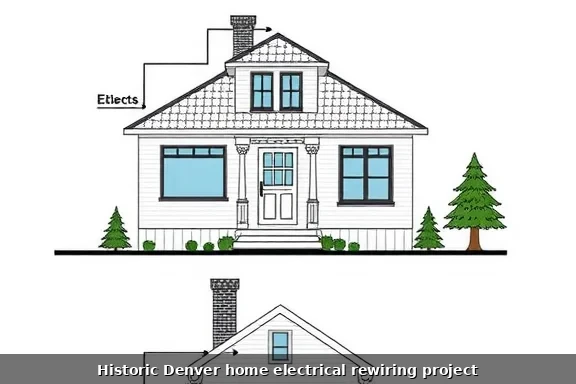
Updating Historic Homes
Denver's older homes in Capitol Hill or Baker often contain knob-and-tube wiring and 60-amp service. Full rewire and panel upgrades make these homes safe for modern living without sacrificing historic charm.
Historic Preservation
Home Additions & ADUs
New construction requires entirely new circuits, often a sub-panel, and careful integration with the existing main service to ensure adequate capacity for second stories, sunrooms, or ADUs.
New Construction
Kitchen & Bathroom Remodels
These rooms have specific code requirements for GFCI and AFCI protection. Perfect time to add under-cabinet lighting, dedicated appliance circuits, and modern outlets.
Renovation
Outdoor Living Spaces
Installing outdoor outlets, hardwired patio heaters, pergola lighting, and landscape lighting requires weatherproof and GFCI-protected devices rated for wet/damp locations.
Exterior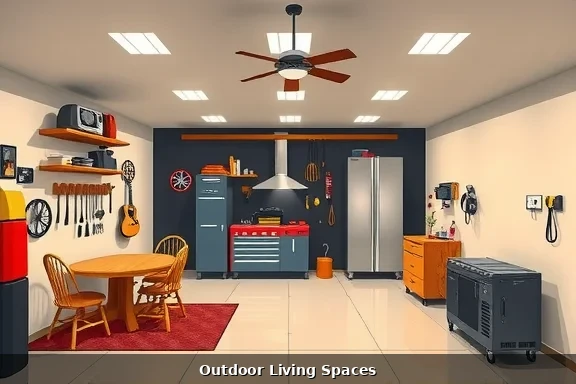
Garage & Workshop Electrification
Converting a garage into a workshop, home gym, or hobby space demands robust power including multiple 20-amp circuits for tools, dedicated 240V circuits for welders, and bright LED fixtures.
WorkshopFAQs: Residential Electrical Services in Denver
How often should I have my home's electrical system inspected?
For most homes, a professional safety inspection is recommended every 5-10 years. However, you should schedule an inspection immediately if you're buying an older home, notice any warning signs (frequent tripping, buzzing sounds), or are planning a major renovation or addition. It's a small investment for profound peace of mind.
What are the warning signs that I need to call an electrician urgently?
Immediate danger signs include: any burning smell from outlets or switches; sparks or smoke from electrical devices; outlets or switch plates that are warm to the touch; a persistent buzzing or sizzling sound; and frequent circuit breaker trips that can't be explained by a single overloaded appliance. In these cases, shut off power to the affected area at the breaker and call a licensed electrician immediately.
How much does it cost to upgrade an electrical panel in Denver?
The cost to upgrade a service panel in Denver can range from $1,500 to $4,000 or more, depending on the amperage (200-amp vs. 400-amp), the complexity of the installation, the need for a new meter socket, and local permit fees. While it's a significant investment, it's foundational for home safety and enabling future electrical projects.
Do I need a permit for electrical work in my home?
In almost all cases, yes. The City and County of Denver requires permits for most electrical work beyond simple like-for-like replacements (e.g., swapping a light fixture). Permits ensure the work is inspected for safety and code compliance. A reputable licensed electrician will always pull the required permits. Work done without a permit can create liability issues and problems when you sell your home.
What's the difference between a GFCI outlet and an AFCI breaker?
Both are critical safety devices but protect against different hazards. A GFCI (Ground Fault Circuit Interrupter) protects people from severe shock by cutting power in a fraction of a second if it detects current leaking to ground (like through a person in a wet bathroom). An AFCI (Arc Fault Circuit Interrupter) protects against fires by detecting dangerous electrical arcing caused by damaged or pinched wires behind walls and shutting off the circuit.
How long does a whole-house rewiring project take?
The timeline varies greatly with the size and age of the home. For an average 2,000 sq. ft. Denver home, a full rewire can take a professional crew 3 to 7 days. The electricians will work methodically to minimize disruption, often starting with the attic and crawl space, then fishing new wires through walls to update each room's outlets, switches, and fixtures.
Powering Your Denver Home with Confidence
Your home's electrical system is a complex, vital infrastructure that demands expertise and respect. By understanding the services available, recognizing the importance of licensing and permits, and following a clear planning process, you can approach any electrical project—big or small—with confidence.
Don't wait for a warning sign to become an emergency. Proactive maintenance and strategic upgrades are the keys to a safe, efficient, and future-ready home.
Ready to ensure your home's electrical system is safe, reliable, and ready for the future? Contact Denver Electrician today to consult with our licensed experts. We're committed to providing Denver homeowners with the highest standard of electrical service and peace of mind.