Denver Electrician FAQ
Expert answers to your top electrical questions. Learn about safety, costs, codes, and hiring the right professional in the Mile High City.
Navigating electrical issues, projects, or hiring decisions in the Mile High City can spark numerous questions. This comprehensive Denver electrician FAQ serves as your definitive resource, providing clear, expert-backed answers to the most common inquiries we receive from Denver homeowners and business owners. Whether you're dealing with a flickering light, planning a major renovation, or simply want to understand your home's electrical system better, you'll find authoritative guidance here.
General Electrical Questions for Denver Homeowners
Electrical systems are the vital nervous system of any modern building, and understanding their basics is crucial for safety and functionality.
Denver's diverse housing stock, ranging from historic bungalows to modern high-rises, experiences a predictable set of electrical issues:
- Frequent Circuit Breaker Tripping: Often indicates an overloaded circuit, short circuit, or faulty appliance. In older Denver homes, it can signal an outdated electrical panel.
- Flickering or Dimming Lights: While sometimes caused by a loose bulb, persistent flickering can point to loose connections or voltage fluctuations.
- Dead Outlets: Commonly due to tripped GFCI outlets elsewhere on the same circuit or failed wiring connections.
- Burning Smell or Discolored Outlets: A serious safety warning sign requiring immediate attention from a licensed residential electrician.
- Insufficient Outlets: Many older Denver homes lack adequate outlets for modern electronics.
For the average Denver home, a comprehensive inspection by a licensed electrician is recommended every 5-10 years. However, you should schedule an inspection immediately if you are purchasing an older home (especially those built before 1970), notice any warning signs (like burning smells or flickering lights), are planning a major renovation, or are adding significant new appliances like an EV charger or hot tub.
Regular inspections can identify wear-and-tear, ensure compliance with the latest Denver Electrical Code Requirements, and prevent costly or dangerous failures.
Both devices protect your home's wiring from overloads, but they operate differently. A fuse box contains small fuses with a metal filament that melts and breaks the circuit when overloaded; once blown, the fuse must be physically replaced. A circuit breaker panel uses switches that "trip" to the off position when an overload is detected; they can be simply reset.
Fuse boxes are largely obsolete and are a hallmark of very old electrical systems. If your Denver home still has a fuse box, it is likely undersized and may not be insurable; upgrading to a modern circuit breaker panel is a critical safety improvement detailed in our Top 10 Denver Electrician Services guide.
Did You Know?
Denver homes built before 1970 are three times more likely to have outdated electrical systems that don't meet modern power demands.
Hiring a Denver Electrician: What You Need to Know
Choosing the right electrical professional is one of the most important decisions for your property's safety and value.
This is the most critical step in vetting any contractor. In Colorado, electricians must hold a license issued by the Colorado State Electrical Board. You can verify a license online through the Colorado Department of Regulatory Agencies (DORA) website by searching the contractor's name or license number. A legitimate Denver electrician will readily provide their license number.
Equally important is insurance: they must carry both liability insurance (to cover potential damage to your property) and workers' compensation insurance (to cover injuries on the job). Always ask for proof of both. The risks of hiring an unlicensed worker are severe, as explored in our guide on Licensed vs Unlicensed Electricians in Denver.
Essential questions include:
- "Can you provide your Colorado electrical license number and proof of insurance?"
- "Do you pull the required permits for this type of work?" (The answer should always be yes for significant work).
- "Will you provide a detailed, written estimate that breaks down labor, materials, and permit costs?"
- "What is your projected timeline for completion?"
- "Do you offer a warranty or guarantee on your workmanship?"
- "Can you provide references from recent, similar projects in Denver?"
Electrical costs in Denver vary widely based on the project's complexity, materials, and labor time. Small repairs might range from $150 to $500, while installing a new ceiling fan could cost $200-$600. Major projects like a full panel upgrade or a home rewire can cost several thousand dollars.
The best way to get an accurate idea is to use our interactive Denver Electrical Cost Calculator or review detailed breakdowns in our resource on Denver Electrician Costs. Remember, the lowest bid is not always the best value; quality, safety, and proper permitting are priceless.
Safety First
Always verify licenses through Colorado DORA before hiring. Unlicensed electrical work can void your homeowner's insurance and create serious safety hazards.
Electrical Safety and Code Compliance in Denver
Denver enforces specific electrical codes to ensure safety in a region with unique weather patterns and building styles. Compliance is non-negotiable.
A Ground Fault Circuit Interrupter (GFCI) outlet is a critical safety device designed to prevent severe electrical shock. It monitors the flow of current and can shut off power in as little as 1/40th of a second if it detects a "ground fault," such as current leaking into water.
According to Denver and National Electrical Code (NEC) requirements, GFCI protection is mandatory in all areas where water and electricity are in close proximity:
- Bathrooms
- Kitchens (countertop outlets)
- Garages and unfinished basements
- Outdoor outlets
- Laundry and utility sinks
A General Electrician Services in Denver provider can easily test your existing GFCIs and install new ones where needed.
Denver has strict requirements for life-saving devices. Current code mandates:
- Smoke Alarms: Required inside every sleeping room, outside each separate sleeping area (in the hallway), and on every level of the home, including basements. They must be interconnected so that if one sounds, they all sound. New installations require 10-year sealed battery units or hardwired alarms with battery backup.
- Carbon Monoxide (CO) Alarms: Required outside each separate sleeping area on every habitable level of the home and in the immediate vicinity of any attached garage. CO alarms are crucial in Denver homes with fuel-burning appliances like furnaces, water heaters, or fireplaces.
Many Denver homes built between the mid-1960s and mid-1970s used aluminum wiring for branch circuits. While the wiring itself is safe, the connections to outlets and switches can become loose over time due to aluminum's expansion and contraction, creating a high risk of overheating and fire.
If your home has aluminum wiring, you should:
- Have it inspected immediately by a licensed electrician.
- Consider a remediation strategy, such as "pigtailing" (connecting a short piece of copper wire to the aluminum wire at each connection point using a specially rated connector).
- In some cases, a partial or complete rewire with copper may be the safest long-term solution.
Residential vs. Commercial Electrical Work
The scale, complexity, and code requirements differ significantly between homes and businesses.
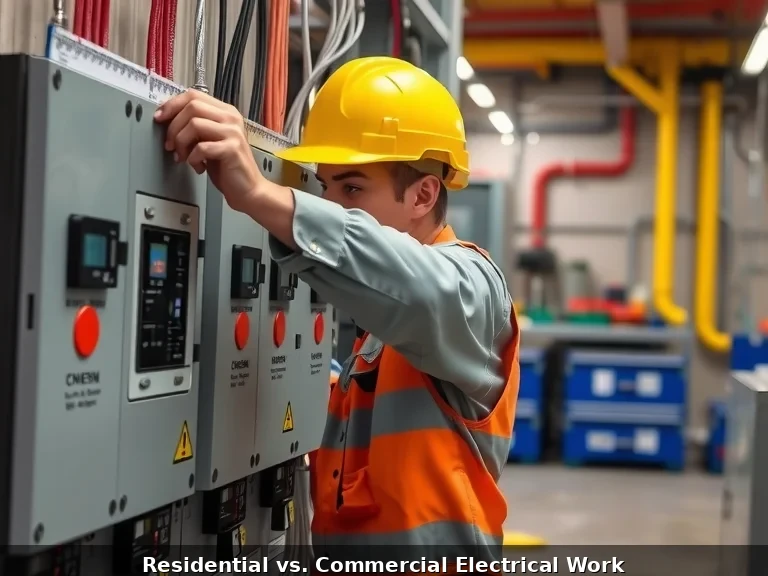
While both require skilled electricians, the projects are fundamentally different. Residential work typically involves single-phase power (120/240V), Romex cable, and standard fixtures, focusing on aesthetics and living convenience. Commercial electrical work involves three-phase power (higher voltage for heavy equipment), often uses conduit and metal-clad cable for durability, and must prioritize safety, scalability, and uninterrupted operation for business continuity.
The planning and design phase is also more intensive for commercial projects. We delve deeper into these distinctions in our article on Commercial vs Residential Electrical Work in Denver.
Generally, a licensed residential electrician handles single-family homes, townhomes, and apartments. However, you may need a commercial electrician for residential projects if the work involves a multi-unit building (like a condo complex with a shared service), a home with a dedicated workshop running industrial equipment, or a property that incorporates commercial-grade systems like extensive solar arrays with battery backup or complex home automation networks.
Denver's booming business sector creates consistent demand for specialized commercial services. Top requests include:
- Energy-Efficient Lighting Retrofits: Upgrading to LED lighting in offices, warehouses, and retail spaces to slash utility bills and qualify for rebates.
- EV Charging Station Installation: For employee, customer, and fleet vehicle charging.
- Data and Low-Voltage Wiring: For robust networks, security systems, and audio/visual setups.
- Electrical System Upgrades: To support business expansion, new machinery, or updated kitchen equipment for restaurants.
- Preventive Maintenance Programs: Scheduled inspections and testing to avoid costly downtime.
For a full scope, see our guide to Commercial Electrical Services in Denver.
Power Comparison
Planning and Permitting for Electrical Projects
Navigating Denver's permit process ensures your project is legal, safe, and insurable.
A permit is required for almost any electrical work beyond simple like-for-like replacements (e.g., swapping a light fixture or an outlet). You need a permit for new circuits, panel upgrades, rewiring, adding outlets or switches, installing permanent appliances (like dishwashers or hot tubs), and any work in wet locations.
A reputable Denver electrician will always handle the permit process for you. Performing unpermitted work can void your homeowner's insurance, create safety hazards, and cause major problems when you sell your home.
The process is managed by the Denver Department of Community Planning and Development. Your licensed electrician will:
- Submit detailed plans and specifications for the work.
- Pay the associated permit fees.
- Schedule and pass required inspections at various stages of the project (rough-in inspection before walls are closed, final inspection upon completion).
- Provide you with documentation that the work has been inspected and approved, which is essential for your records.
Timelines vary dramatically:
- Small Repairs/Service Calls: Often completed in a single visit (a few hours).
- Panel Upgrade: 1-2 days of work, plus time for utility coordination and inspections.
- Home Rewire: For an average-sized home, this can take 3-7 days, depending on access and complexity.
- Commercial Tenant Improvement: Can range from a week for a small office to several months for a large retail or restaurant build-out.
Your electrician should provide a clear timeline during the estimate phase.
Pro Tip
Always request the final inspection approval documentation from your electrician. This certificate proves the work meets code and is essential for home sales and insurance claims.
Energy Efficiency and Smart Home Technology
Modern electrical services go beyond basic power to enhance comfort, control, and sustainability.
Denver homeowners can achieve significant savings through targeted upgrades:
- LED Lighting Retrofit: Replacing all incandescent and CFL bulbs with LEDs can reduce lighting energy use by 75-80%.
- Smart Thermostat Installation: Optimizes heating and cooling, especially valuable with Denver's temperature swings.
- Adding Dedicated Circuits for High-Efficiency Appliances: Ensures new appliances like heat pump dryers or induction stoves operate correctly.
- Installation of Advanced Power Strips: Eliminates "phantom load" from electronics in standby mode.
- Electrical Panel Upgrade: Enables future efficiency upgrades like solar panels or EV chargers.
Absolutely. While power strips offer some outlet-level protection, they are insufficient against major surges from lightning or grid fluctuations. A whole-house surge protector is installed at your main electrical panel and acts as the first line of defense, clamping down on massive voltage spikes before they enter your home's wiring. This protects every connected appliance, electronic device, and your home's electrical infrastructure. It's a relatively low-cost investment with high protective value.
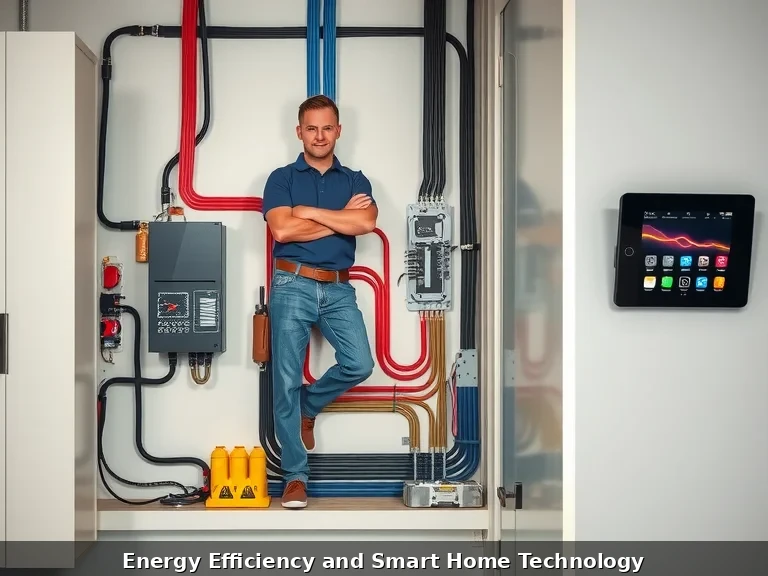
A modern electrician is a key partner in building a smart home. They ensure the electrical infrastructure can support your technology by:
- Running dedicated low-voltage wiring for networking, security cameras, and audio systems.
- Installing smart switches, dimmers, and outlets that require a neutral wire (often missing in older homes).
- Providing proper power and mounting for smart doorbells, thermostats, and appliance hubs.
- Ensuring your electrical panel has capacity for future smart devices.
This work is part of a comprehensive Complete Guide to Electrical Services in Denver.
Ready to Power Your Project?
We hope this Denver electrician FAQ has illuminated the path forward for your electrical needs. From safety checks to major installations, informed decisions start with trusted knowledge. If your question wasn't answered here, or if you're ready to move from questions to solutions, our team of licensed, insured, and local experts is ready to help.
Don't leave your electrical safety or project success to chance. Let's power your Denver home or business with confidence.