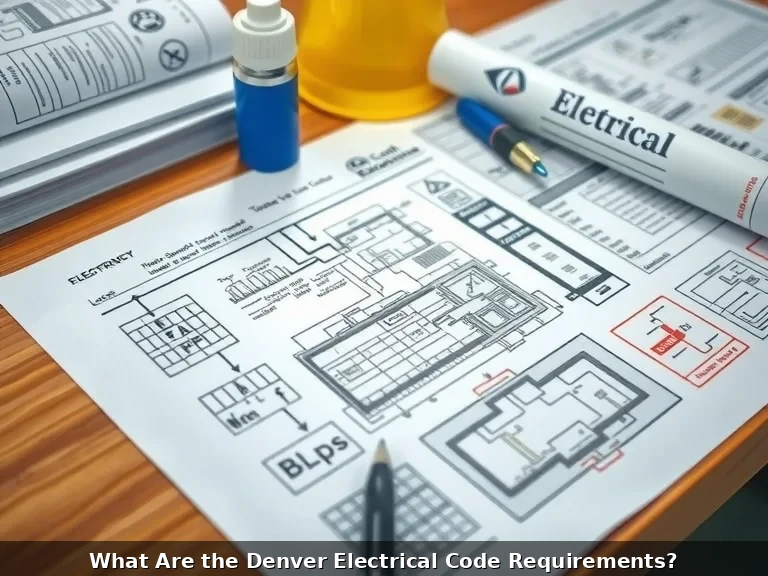
Denver Electrical Code Requirements: A Complete Guide
Master Denver electrical code requirements for residential & commercial projects. This complete 2026 guide covers permits, inspections, and compliance to ensure safety and avoid costly violations.
Understanding and adhering to Denver electrical code requirements is not just a legal obligation for any construction or renovation project—it's a fundamental pillar of safety for your home, business, and community. This comprehensive guide demystifies the complex web of regulations, from the foundational National Electrical Code (NEC) adopted by Colorado to the specific amendments and enforcement procedures unique to the City and County of Denver.
Whether you're a homeowner planning a kitchen remodel, a business owner upgrading your lighting, or a property manager overseeing a multi-unit building, this guide provides the actionable knowledge you need to ensure your electrical work is safe, compliant, and built to last. Failure to comply can result in failed inspections, costly rework, increased insurance premiums, and, most critically, serious safety hazards like electrical fires or shock.
What Are the Denver Electrical Code Requirements?
Denver electrical code requirements refer to the complete set of rules, standards, and procedures that govern the design, installation, inspection, and alteration of electrical systems within the City and County of Denver. These requirements are not a single document but a layered framework.
-
1
Foundation: The 2023 National Electrical Code (NEC), as adopted by the State of Colorado.
-
2
Local Authority: Denver Department of Transportation & Infrastructure (DOTI) - Development Services.
-
3
Core Purpose: To safeguard persons and property from hazards arising from the use of electricity.
-
4
Scope: Covers everything from new construction and additions to repairs, replacements, and alterations of existing systems.
Why Denver Electrical Code Compliance is Non-Negotiable
Electrical code compliance in Denver is a critical investment with far-reaching consequences beyond merely passing an inspection.
Life Safety First
Faulty wiring is a leading cause of structure fires. Codes mandate proper wire sizing, overcurrent protection, grounding, and arc-fault circuit interruption to prevent tragedies.
Financial Protection
Unpermitted work can void insurance policies and derail real estate transactions. The City can issue stop-work orders and require complete removal of non-compliant work.
Professional Assurance
Working with a licensed Denver electrician ensures your project meets all local codes, providing peace of mind and long-term reliability.
The Complete Framework: NEC, Colorado, and Denver Amendments
National Electrical Code
The 2023 NEC contains over 1,000 articles covering wiring methods, materials, equipment, and special occupancies. It serves as the universal baseline adopted across the United States.
Colorado Amendments
The State of Colorado adopts the NEC with specific modifications. These state amendments are published by the Colorado Electrical Board and modify or exclude certain NEC sections.
Denver Specifics
Denver DOTI adds local amendments addressing permit applications, inspection scheduling, fee structures, and requirements for Denver's unique infrastructure and weather patterns.
Pro Tip: Always verify the most current amendments by checking directly with Denver DOTI Development Services or consulting with a professional who specializes in general electrician services in Denver.
When Do You Need an Electrical Permit in Denver?
As a general rule, any electrical work that involves adding, extending, or altering permanent wiring or electrical components typically requires a permit from Denver DOTI. This triggers the mandatory inspection process that verifies code compliance.
Requires Permit
- • Installing new circuits or outlets
- • Adding or relocating fixtures, switches, or receptacles
- • Installing new electrical panels or sub-panels
- • Wiring for major appliances (ranges, dryers, HVAC)
- • New wiring for additions, basements, or garages
- • Low-voltage systems connected to line voltage
No Permit Required
- • Replacing faulty switches/outlets (like-for-like)
- • Replacing circuit breakers (same amperage/type)
- • Minor repairs to existing wiring
When in doubt, always call Denver Development Services to confirm. Starting work without a required permit can lead to significant complications.

Step-by-Step: The Denver Electrical Permit & Inspection Process
Following the correct process is key to a smooth project. Here is the detailed workflow for navigating Denver's official electrical permit system.
1. Plan & Document
Gather detailed plans and specifications. Simple projects need sketches; complex work requires scaled electrical drawings.
2. Submit Application
Submit to Denver DOTI Development Services via e-permit portal or in-person. Pay calculated fees based on project valuation.
3. Permit Review
City plan reviewers examine applications for code compliance. Timeline varies from days (simple) to weeks (complex commercial).
4. Rough-In Inspection
Schedule after wiring is installed but BEFORE walls are closed. Inspector verifies wiring methods, box placement, and grounding.
5. Address Corrections
If violations are found, correct them and schedule a re-inspection. Work cannot proceed until rough-in is approved.
6. Final Inspection
Schedule after all devices are installed and system is energized. Inspector tests operation and verifies safety systems.
7. Certificate of Approval
Upon passing final inspection, receive your Certificate of Final Approval. Keep this for records and real estate transactions.
Key Residential Electrical Code Requirements
Denver's residential code requirements focus heavily on modern safety technologies. A thorough home electrical safety inspection will check for these critical items:
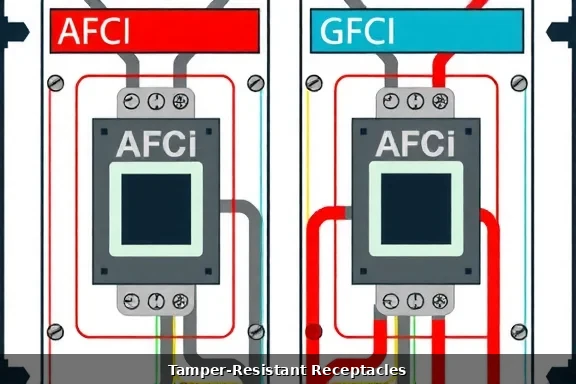
AFCI Protection
Required for most 15- and 20-amp circuits in living areas to detect dangerous arc faults.
GFCI Protection
Required for bathrooms, kitchens, garages, crawlspaces, basements, laundry areas, and outdoors.
Tamper-Resistant Receptacles
All standard 15- and 20-amp outlets must feature internal shutters preventing foreign object insertion.
Key Commercial Electrical Code Requirements
Commercial work involves additional complexity including IBC, ADA standards, and energy codes. Engage a specialist in commercial electrical services.
Emergency & Exit Lighting
Specific illumination levels and battery backup durations mandated for exit paths.
ADA Accessibility
Outlets, switches, and controls must be mounted at specified heights for disability access.
Energy Code Compliance
Automatic controls like occupancy sensors and daylight harvesting required in many spaces.
Common Code Violations and How to Avoid Them
Even well-intentioned projects can run afoul of inspectors. Here are the most frequent violations seen in Denver:
Improper GFCI/AFCI Protection
Installing standard outlets where GFCI or AFCI protection is required.
✓ Solution: Know code requirements for each room and circuit type.
Overcrowded Electrical Panels
Adding too many circuits or using incorrect breakers.
✓ Solution: Have a licensed electrician evaluate panel capacity first.
Incorrect Wire Sizing
Using wire too small for circuit amperage, creating fire risk.
✓ Solution: Match wire gauge to circuit breaker (14-gauge/15-amp, 12-gauge/20-amp).
Poor Box Fill
Stuffing too many wires into an electrical box causing overheating.
✓ Solution: Use boxes large enough for wire and device count.
Missing Grounding
Failing to properly ground outlets, fixtures, and systems.
✓ Solution: Ensure all metal components bond to grounding electrode system.
Unsupported Cables
NM cable not secured within 8 inches of box or at proper intervals.
✓ Solution: Use proper staples or straps at required intervals.
Pre-Inspection Checklist
Use this checklist to ensure your project is ready for a successful inspection.
FAQ: Denver Electrical Code Requirements
How can I find out the specific electrical code for my Denver project?
The official source is the Denver Department of Transportation and Infrastructure (DOTI) Development Services website and office. They provide access to the currently adopted codes and local amendments. For practical application, consulting a licensed Denver electrician is the most efficient method.
What happens if I fail an electrical inspection in Denver?
The inspector will provide a written correction notice detailing the violations. You must then have the issues corrected by a qualified person and schedule a re-inspection. Work cannot proceed to the next phase until the inspection is passed.
Can I do my own electrical work in Denver?
Yes, homeowners can perform electrical work on their own primary residence. However, you are still responsible for obtaining all required permits, scheduling and passing all inspections, and ensuring the work meets all current Denver electrical code requirements. The complexity and liability make using a licensed residential electrician a wise choice for most projects.
How long is an electrical permit valid in Denver?
Permits typically remain active as long as work is progressing and inspections are being requested. If a permit goes inactive (no inspections for an extended period), it may expire, and you may need to apply for a renewal or a new permit, potentially under updated codes.
Are there different codes for historic homes in Denver?
While the core safety provisions of the NEC still apply, the Landmark Preservation Commission may have guidelines for work on designated historic properties that affect how wiring is run or fixtures are installed. Always check with both Development Services and Landmark Preservation if your home is in a historic district.
Partner with Expertise for Code Compliance
Navigating the intricate world of Denver electrical code requirements is complex but essential. The safest, most efficient path to a successful project is partnering with a licensed, insured, and experienced professional.
We are well-versed in the latest 2023 NEC, Colorado amendments, and Denver's specific enforcement practices. From initial design to final inspection sign-off, we ensure a seamless, compliant, and worry-free experience.
Get Your Free Code Consultation
Our experts will review your project plans, clarify specific Denver electrical code requirements, and provide a transparent quote.
Schedule Free Consultation