What to Do During a Denver Electrical Emergency: Step-by-Step Guide
An electrical emergency is a high-stress event that demands immediate, calm, and correct action. This comprehensive guide provides the definitive protocol to navigate dangerous situations safely in Denver's unique climate.
Understanding What Constitutes an Electrical Emergency
An electrical emergency is any situation involving your home or business's electrical system that poses an immediate threat to life, health, or property. Distinguishing between a minor issue and a true emergency can prevent catastrophic outcomes.
In Denver, common emergencies include seeing visible sparks or flames from an outlet, switch, or appliance; detecting a persistent burning plastic or ozone smell near electrical fixtures; hearing buzzing, sizzling, or popping sounds from walls or panels; experiencing frequent, unexplained circuit breaker trips that won't reset; discovering exposed, frayed, or damaged wiring; or having a power line fall on or near your property.
Warning Sign:
A tingling sensation when touching an appliance or fixture indicates a dangerous ground fault. If you are unsure, it is always safer to treat the situation as an emergency.
Your Immediate Response: The First 60 Seconds
Your actions in the first minute are paramount. This phase is about rapid threat assessment and eliminating immediate danger.
Stay Calm and Do Not Touch
Panic leads to poor decisions. Freeze for a moment, take a breath, and visually assess the situation. Do not touch any person, appliance, or surface that may be energized.
Shut Off the Power
If safe to approach your main panel—and there's no visible damage, smoke, or water—locate the main circuit breaker and switch it to "OFF". This cuts power to the entire building.
Evacuate and Call 911
If you see flames or smoke, evacuate immediately. Use your cell phone from a safe distance to call 911. Do not attempt to fight an electrical fire with water.
Step-by-Step Safety Protocol for Common Denver Electrical Emergencies
Follow these detailed, scenario-specific steps to manage the most frequent types of electrical crises encountered in Denver homes and businesses.
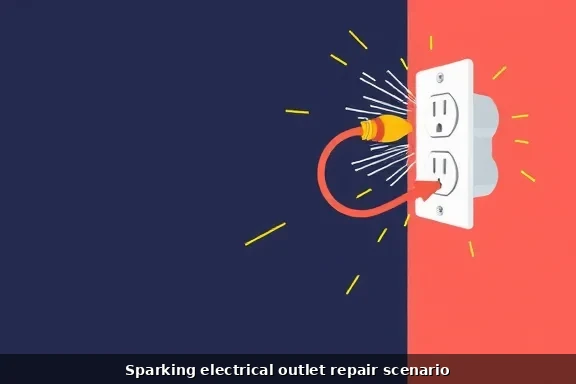
Scenario 1: Sparking Outlet or Switch
A sparking outlet is a direct fire hazard. Immediately turn off the circuit breaker controlling that outlet. Do not use the switch to turn it off, as the switch itself may be faulty.
- Unplug any cord from the outlet gently by pulling the plug, not the cord
- Keep the breaker off and tape over the outlet to prevent use
- Contact a licensed residential electrician—this is not a DIY repair
Scenario 2: Burning Smell from Electrical Panel or Walls
A burning odor indicates overheating insulation, which can quickly lead to fire. This is one of the most urgent scenarios.
- Go directly to your main panel and shut off the main breaker
- Evacuate the home if the smell is strong or you see smoke
- Call an emergency electrician immediately—do not reset the breaker
The issue could be an overloaded circuit, a loose connection, or a failing breaker, all of which demand professional diagnosis per Denver Electrical Code Requirements.
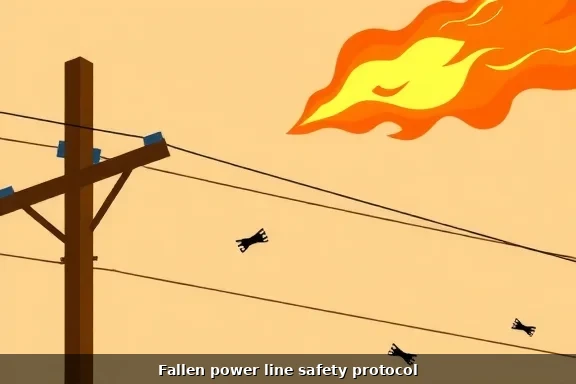
Scenario 3: Fallen Power Line on Your Property
Assume all downed lines are live and extremely dangerous. Electricity can arc and travel through the ground.
Critical Safety Distance:
Stay at least 30 feet away. Do not attempt to move the line with any object.
Call 911 and your local utility company (Xcel Energy in most of Denver) immediately. If a line falls on your car, stay inside unless the car catches fire, then jump clear without touching the car and ground simultaneously.
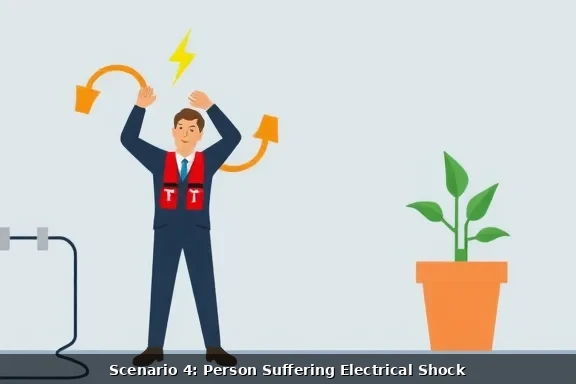
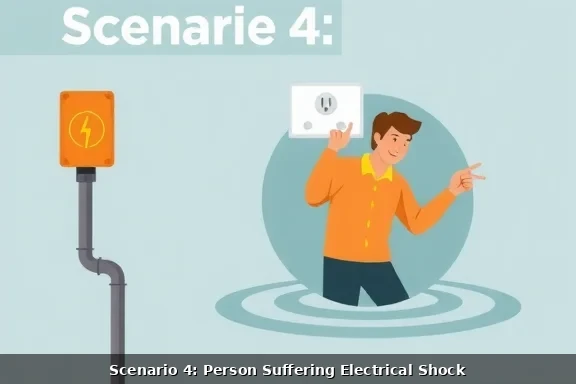
Scenario 4: Person Suffering Electrical Shock
Do not touch the victim if they are still in contact with the electrical source. You will become part of the circuit.
Turn off the power at the breaker. If that's impossible, use a dry, non-conductive object (like a wooden broom handle) to separate the victim from the source.
Call 911 immediately.
Begin CPR if the person is unresponsive and not breathing. Always seek medical attention after any electrical shock.
Scenario 5: Flooding or Water Contact with Electricity
Water and electricity are a lethal combination. If flooding has reached electrical outlets, appliances, or the basement panel, do not enter the standing water.
- If safe from a dry location, turn off the main breaker
- Call an electrician before restoring power
- All water-damaged components must be inspected and likely replaced
Post-Emergency Actions: Securing Your Home and System
Once the immediate danger is contained, your focus shifts to preventing recurrence and documenting the incident.
Keep the Power Off
Leave the affected circuit or main breaker off until a licensed electrician has inspected and repaired the system.
Document the Damage
Take clear photographs and videos of the source and secondary damage for insurance claims and diagnosis.
Contact Your Insurance
Report the incident to your homeowner's or business insurance company for claim procedures.
Schedule Comprehensive Inspection
Request a whole-house inspection to identify other hazards. Review pricing expectations for these services.
How to Choose the Right Emergency Electrician in Denver
Not all electricians offer 24/7 emergency services, and speed should never compromise quality and licensing.
Verify Licensing
Ensure they are licensed, bonded, and insured in Colorado specifically for Denver.
24/7 Response
Confirm guaranteed emergency response times, not just "available" phone numbers.
Detailed Reporting
Choose providers who document the cause and repair performed for your records.
Red Flags
Avoid "ghost" technicians or those refusing to provide a license number.
For a systematic approach to this decision, review our guide on How to Choose the Right Denver Electrician.
Preventative Measures to Avoid Future Emergencies
Proactive maintenance is the best defense against electrical emergencies. Implement this annual safety checklist:
Business Owners:
Regular preventative maintenance is non-negotiable. Explore Commercial Electrical Services for scheduled service plans.
Denver Climate Consideration
Denver's dry climate and altitude can accelerate electrical fires and affect equipment performance. Annual inspections are critical in this environment.
Denver Electrical Emergency FAQ
Keep a kit in a known location that includes a working flashlight (not a candle), a list of emergency numbers (911, utility company, your electrician), a non-conductive pair of gloves, and a printed copy of your electrical panel map.
It is safe to reset a standard breaker once. If it trips again immediately, there is a fault (overload or short circuit). Do not keep resetting it, as this can cause overheating. Leave it off and call an electrician.
Call 911 first if there is an active fire, smoke, or a life-threatening situation like a downed power line or someone being shocked. For a contained issue like a dead outlet or a tripping breaker with no smoke, call an emergency electrician directly.
Most policies cover sudden, accidental damage (like a lightning strike frying your panel). They typically do not cover repairs due to lack of maintenance or wear and tear. Always check your specific policy and document the event thoroughly.
Signs include frequent breaker trips, flickering lights, outlets that don't hold plugs tightly, a lack of three-prong (grounded) outlets, and the presence of knob-and-tube or aluminum wiring common in older Denver homes. An inspection will confirm.
Final Thoughts and Your Next Step
An electrical emergency tests your preparedness and composure. By internalizing the steps in this guide—assess, secure power, evacuate if needed, and call for professional help—you protect what matters most. Remember, your role is not to be the electrician, but the calm first responder who creates the safe conditions for a professional to work.
Denver Electrician Authority provides 24/7 emergency response, fully licensed and insured technicians, and transparent pricing because we believe safety should never be uncertain.
Don't wait for a crisis to find a trusted partner.