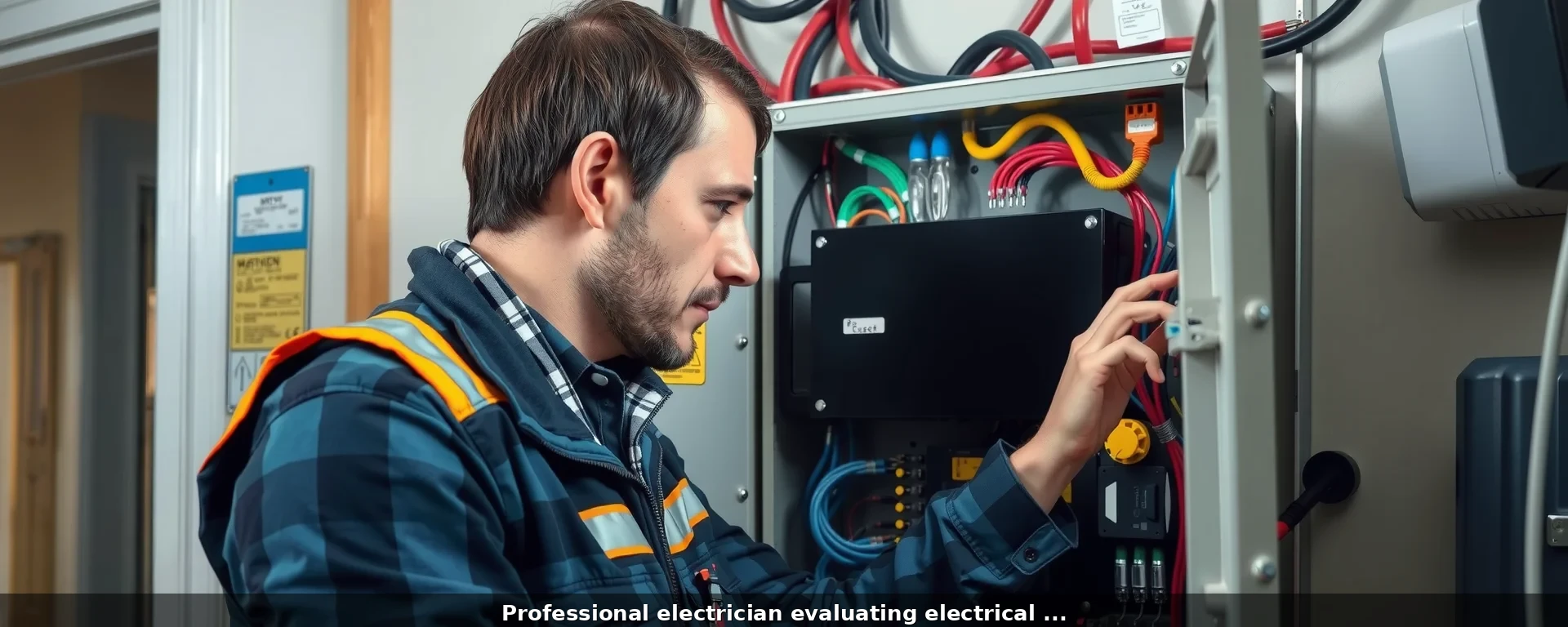
Professional electrician evaluating electrical panel in Denver home

How to Find the Best Denver Electrician: 10 Essential Criteria

Finding a reliable, skilled, and trustworthy electrician in Denver requires a systematic approach. Use our comprehensive checklist to evaluate licensing, experience, safety records, and more to ensure you hire the right professional for your home or business.

Finding a reliable, skilled, and trustworthy electrician in Denver is a critical decision that impacts your home's safety, your business's operations, and your financial investment. The process to find best Denver electrician professionals requires a systematic approach, moving beyond simple online reviews to evaluate core competencies and local expertise. This comprehensive guide provides you with ten essential criteria, transforming a potentially overwhelming search into a clear, actionable checklist.

Colorado state electrical license documentation
1

Verify Colorado State Electrical Licensing and Insurance

Electrical licensing is the non-negotiable foundation for any legitimate electrical contractor in Denver. A Colorado state license proves the electrician has passed rigorous examinations, possesses the required knowledge of the National Electrical Code (NEC) and local amendments, and is authorized to perform electrical work legally.

Actionable Checklist:

  • Ask for and record the contractor's Colorado state license number
  • Verify the license via Colorado DORA
  • Request a Certificate of Insurance (COI)
  • Confirm $1M liability and workers' comp coverage

Learn more about Licensed vs Unlicensed Electricians →

Electrician working on historic Denver home wiring
2

Assess Local Denver Experience and Specialization

An electrician with extensive experience in Denver brings invaluable knowledge of region-specific challenges, such as dealing with older wiring in historic Capitol Hill or Washington Park homes, understanding soil conductivity for grounding systems, and navigating Denver County's unique permit processes.

Key Specializations:

• Residential • Commercial • Industrial • Service & Repair

Commercial vs Residential Work →

Customer reviews and testimonials verification
3

Evaluate Reputation Through Reviews and References

Online reviews on platforms like Google, Yelp, and the Better Business Bureau (BBB) provide broad sentiment analysis, but a deeper investigation is required. Look for patterns in feedback: consistent praise for cleanliness, communication, and on-time completion are strong positive indicators.

Red Flags to Avoid:

  • Recurring complaints about cost overruns
  • Poor communication reports
  • Multiple call-back repair requests
  • Unwillingness to provide references
Detailed electrical estimate document
4

Understand Pricing Structures and Get Detailed Estimates

Transparent, detailed pricing separates professional electricians from less scrupulous operators. Be wary of anyone who gives a firm quote over the phone without seeing the job site. A trustworthy electrician will insist on a free, in-person consultation.

Pricing Models:

Time & Materials: Pay for actual hours + materials (best for repairs)

Fixed-Price: Set price for defined projects (best for upgrades)

Service Call Fee: Standard trip charge for diagnosis

Use our Cost Calculator →

Electrical safety equipment and compliance protocols
5

Prioritize Safety Records and Compliance

Electrical work is inherently dangerous. A top-tier Denver electrician's commitment to safety is reflected in their company culture, training, and on-site practices. A strong safety record minimizes risk for workers, your property, and your family.

Safety Indicators:

  • OSHA 10 or 30-hour certification
  • Regular safety meetings
  • Lockout/tagout protocols
  • Proper permit pulling (never skip permits)
Professional certification badges and affiliations
6

Check for Professional Affiliations and Certifications

Membership in professional organizations indicates a commitment to ongoing education and ethical business practices. Look for affiliations such as the Independent Electrical Contractors (IEC) Rocky Mountain Chapter, NECA, or the Better Business Bureau.

Manufacturer Certifications:

Certifications from brands like Lutron (lighting controls), Generac (generators), or Siemens (panels) indicate specialized training and often come with extended warranties.

Professional electrician consultation with homeowner
7

Analyze Communication and Professionalism

The initial point of contact—whether by phone, email, or in-person consultation—is a preview of the entire project experience. Professionalism is demonstrated through prompt responses, clear communication, and a willingness to answer all your questions without technical jargon or pressure.

Professionalism Signs:

• Branded vehicles • Professional invoices • Dedicated business line • Clear proposals
Portfolio of completed electrical projects
8

Review Portfolio of Past Projects

A picture is worth a thousand words, and a portfolio of completed projects is worth even more. A competent Denver electrician should have a gallery of before-and-after photos or case studies showcasing their work quality and attention to detail.

What to Look For:

  • Clean, organized panel installations
  • Neat wiring in attics and crawl spaces
  • Finished work matching your style
  • Projects similar to your scope
Service warranty and guarantee documentation
9

Inquire About Warranties and Service Guarantees

A warranty is a promise that stands behind the work. There are typically two types: Manufacturer Warranty (covers defects in materials) and Labor/Workmanship Warranty (covers the installation itself).

Warranty Standards:

Standard Labor: 1 year minimum

Premium Service: 2+ years on installations

Must Include: Written documentation of coverage

24/7 emergency electrical service availability
10

Confirm Availability and Emergency Service Protocols

Consider logistics and ongoing support. What is their typical lead time for scheduling? How do they handle project management? Most importantly, do they offer 24/7 emergency service for Denver residents?

Availability Check:

  • Standard lead times for non-emergency work
  • Single point of contact during project
  • 24/7 emergency service availability
  • After-hours rates and policies

Top 10 Services Homeowners Should Know →

Your Step-by-Step Action Plan

Follow this structured process to systematically find best Denver electrician candidates and make your final choice.

1

Define Scope

Write down exactly what you need—repair, installation, upgrade—including specific goals

2

Generate List

Use search engines and recommendations to create a list of 3-5 electricians

3

Screen Candidates

Check Colorado DORA licenses and read recent reviews. Narrow to 2-3.

4

Schedule Consults

Invite top candidates for free on-site assessments with the same project scope

5

Apply Criteria

Use the 10-point checklist during consultations. Ask direct questions.

6

Compare Estimates

Review written, itemized proposals. Remember: lowest price ≠ best value

7

Make Your Decision

Choose the electrician who meets criteria, communicates clearly, and offers fair, transparent pricing. Sign a detailed contract and schedule the work.

Project planning checklist clipboard

Frequently Asked Questions

How much does it cost to hire an electrician in Denver?

Costs vary widely based on project complexity, materials, and labor rates. Simple repairs may start around $150-$300, while a full panel upgrade can range from $1,500 to $4,000. The most accurate way to budget is to get itemized estimates. For detailed pricing, see our guide on Denver Electrician Costs: Installation, Repair & Maintenance Pricing.

What questions should I ask a Denver electrician before hiring?

Essential questions include: "What is your Colorado license number?" "Can you provide a Certificate of Insurance?" "Do you pull the required permits?" "What is your workmanship warranty?" and "Can you provide references for a similar project?"

How long does most electrical work take?

Timeline depends entirely on the project. A ceiling fan installation may take 1-2 hours, a whole-house rewire of a bungalow could take 3-5 days, and a large commercial tenant finish-out may take several weeks. Your electrician should provide a projected timeline in the estimate.

Is it worth paying more for a licensed electrician versus a handyman?

Absolutely. Electrical work involves life-safety systems. A licensed electrician is trained, tested, and insured to perform work to code. A handyman performing electrical work is likely unlicensed and uninsured, risking faulty work that can cause fires, injury, and failed inspections, ultimately costing you far more.

What are the most common electrical code requirements in Denver?

Denver follows the NEC with local amendments. Common requirements include AFCI (Arc-Fault Circuit Interrupter) protection in most living areas, GFCI (Ground-Fault Circuit Interrupter) protection in wet locations, specific conduit rules for certain installations, and tamper-resistant outlets in new homes. For a complete overview, consult our Denver Electrical Code Requirements: A Complete Guide.

Ready to Find Your Ideal Electrical Partner?

Denver Electrician Authority meets and exceeds every benchmark on this list. We are fully licensed and insured, bring decades of local Denver experience to every project, and back our work with strong warranties. Don't leave your electrical needs to chance.