Top Denver Commercial Electrical Contractors: How to Choose
Choosing the right commercial electrical contractors denver is a critical business decision that impacts safety, operational continuity, compliance, and your bottom line.
Understanding the Role of a Commercial Electrical Contractor
A commercial electrical contractor is a licensed professional or firm specializing in the design, installation, maintenance, and repair of electrical systems for non-residential properties. Unlike residential work, commercial electrical systems are characterized by higher voltage demands, complex three-phase power distribution, intricate control systems, and stringent adherence to the National Electrical Code (NEC) and local Denver amendments.
These contractors serve as the vital link between architectural plans and a fully functional, safe, and code-compliant electrical infrastructure for offices, retail spaces, warehouses, restaurants, medical facilities, and industrial plants.
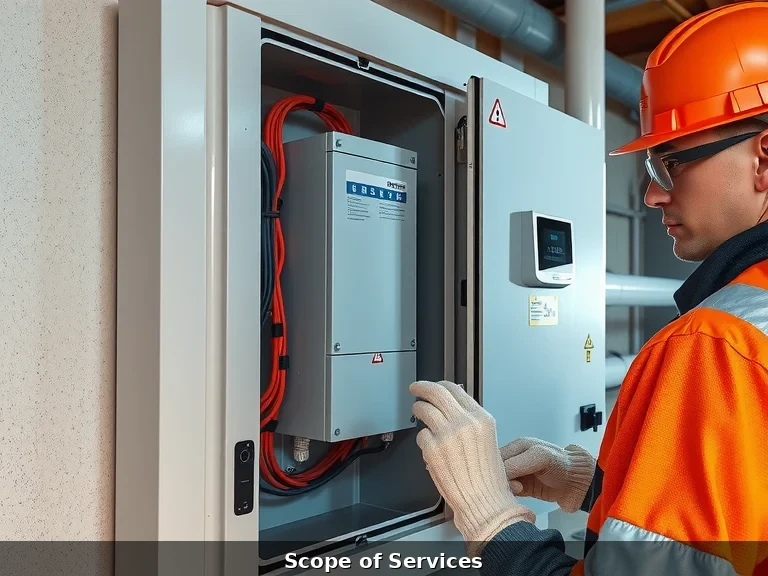
Scope of Services
- • New Construction & Tenant Improvements (TI)
- • Electrical System Upgrades
- • Lighting Solutions & LED Retrofits
- • Preventive & Emergency Maintenance
- • Code Compliance & Inspections
- • Energy Management & Sustainability
Why Choosing the Right Denver Contractor is Non-Negotiable
The consequences of hiring an underqualified or unlicensed electrical contractor for commercial work can be severe, extending far beyond a simple repair bill.
Safety Hazards
Faulty commercial wiring is a leading cause of electrical fires. Improper installation can lead to arc flashes, electrocution risks, and equipment damage.
Costly Code Violations
Work that fails to meet Denver building codes results in failed inspections, project delays, hefty fines, and orders to tear out non-compliant work.
Operational Downtime
Unreliable systems cause unexpected outages, halting production and disrupting services. Downtime costs often exceed proper installation costs.
Voided Insurance
Business insurance policies require licensed professionals. Using unlicensed individuals can void your policy, leaving you fully liable.
Poor Efficiency
Improperly designed systems lead to voltage drops, circuit overloads, and energy waste, increasing utility bills and shortening equipment lifespan.
The Denver Solution
Given these stakes, the selection process must be rigorous. Understanding the broader landscape of electrical services is essential.
View Services Guide →
Safety First, Always
In Denver, where business operations are the lifeblood of the local economy, an electrical failure can lead to catastrophic outcomes.
The Essential 7-Step Selection Framework
Follow this proven, step-by-step framework to methodically evaluate and choose the best commercial electrical contractor for your Denver project.
Verify Licensing, Insurance, and Bonding
The Non-Negotiable Trifecta
This is the absolute first filter. In Colorado, a master electrician license is required to pull permits for commercial electrical work. Do not proceed without verified documentation.
Actionable Checklist: Ask for and physically review copies of the license, insurance COI, and bond documentation before any discussion of price or scope.

Assess Specialized Commercial Experience & Portfolio
Not all electricians are created equal. A contractor proficient in residential rewiring may lack the expertise for a 10,000-square-foot office build-out or a manufacturing facility with 480-volt machinery.
- • Project-specific experience inquiry
- • Portfolio & case studies review
- • Recent commercial client references
- • Industry affiliations (IEC, NECA)
Evaluate Technical Expertise & Service Offerings
Modern commercial electrical work integrates with building automation, data networks, and energy management systems. Ensure your contractor has the technical depth for today's needs.
Design-Build
In-house engineering services
Technology Integration
Low-voltage & IoT systems
Energy Expertise
LED, EV charging, solar
Maintenance
Proactive service plans
Scrutinize Safety Records & Protocols
Safety is the paramount concern on any commercial job site. A contractor's safety culture directly reflects their professionalism and risk management.
OSHA Compliance
10-hour or 30-hour training required
EMR Rating
Below 1.0 indicates superior safety
Drug Testing
Random testing programs required
Understand the Bidding & Proposal Process
A detailed, transparent proposal is a hallmark of a trustworthy contractor. Vague estimates are a red flag.
Prioritize Communication & Professionalism
The contractor-client relationship lasts the duration of the project. Effective communication is essential for a smooth experience.
- Responsiveness during bidding phase
- Designated point of contact
- Clarity & transparency in explanations
Make the Final Decision & Formalize the Agreement
After completing the above steps, you should have a clear frontrunner. Finalize the partnership correctly.
Have a legal professional review the contract
Verify contractor has pulled required permits
Conduct pre-construction kickoff meeting
Red Flags: Warning Signs to Avoid
During your vetting process, be alert to these critical red flags:
Pressure for Immediate Decision
High-pressure sales tactics are a major warning sign.
Cash-Only Discounts
Indicates desire to avoid taxes, insurance, and licensing.
No References or Documentation
Reputable contractors are proud of their work and credentials.
No Physical Business Address
Be cautious of contractors operating solely from a truck.
Important: For a deeper dive into the risks, read our analysis on Licensed vs Unlicensed Electricians in Denver.
Maximizing Your Partnership During the Project
Once you've selected your contractor, foster a collaborative relationship to ensure project success.
Open Communication
Schedule weekly briefings with your project manager.
Document Changes
Written change orders signed by both parties before work proceeds.
Facilitate Access
Ensure clear, safe access during agreed-upon hours.
As-Built Docs
Request final diagrams showing the installed system.

Review Inspection Results
Stay informed about the results of all required city inspections (rough-in, final). Your contractor should provide you with copies of passed inspection cards.
Request As-Built Documentation — upon completion, ask for diagrams showing the final installed system. This is invaluable for future maintenance or renovations.
Denver's business landscape is evolving, and electrical infrastructure must keep pace.
The Future of Commercial Electrical Systems in Denver
Forward-thinking contractors are already integrating these trends to ensure your new electrical system is not just code-compliant today but future-ready for tomorrow.
Electrification & EV Ready Infrastructure
Preparing buildings for the shift from gas to electric appliances and installing scalable EV charging solutions.
Grid Interactive Buildings
Systems that respond to utility demand signals, reducing energy costs through automated load shedding.
Enhanced Resilience & Backup Power
Increased deployment of battery storage systems (BESS) and advanced generators for business continuity.
Data-Driven Facility Management
Integration with IoT sensors and analytics platforms to predict maintenance needs and optimize energy use.
Frequently Asked Questions (FAQ)
Common questions about commercial electrical contractors in Denver.
What is the typical cost range for a commercial electrical project in Denver?
Costs vary dramatically based on scope. A small office TI might range from $15,000-$50,000, while a full lighting retrofit for a large warehouse could be $100,000+. The most reliable method is to obtain detailed bids. For detailed breakdowns, see our Denver Electrical Cost Calculator.
How long does it take to get a permit for commercial electrical work in Denver?
Permit review times with the City and County of Denver can range from 2 to 6 weeks for standard commercial plans, depending on complexity and current workload. Your contractor should factor this into the project timeline.
Can I use a residential electrician for my small business?
It is strongly discouraged. Commercial electrical codes, system design, and safety protocols are fundamentally different. Even for a small business, you need a contractor licensed and experienced in commercial work to ensure safety and compliance.
What should I do if I suspect previous electrical work in my building was done without a permit?
Contact a licensed commercial electrical contractor for a comprehensive Electrical Safety Inspection. They can assess the condition and compliance of the existing system and recommend a path to bring it up to code, which may involve permitting corrective work.
How often should a commercial building have its electrical system inspected?
The NEC recommends periodic inspections. For most commercial properties, a professional inspection every 3-5 years is advisable, or whenever you experience recurring issues, add significant new load, or change tenants. Learn more in our guide to Denver Home Electrical Safety Inspection.
Conclusion: Your Path to a Safe, Reliable Electrical System
Selecting a top Denver commercial electrical contractor is an investment in your business's safety, efficiency, and longevity. By rigorously applying the 7-step framework outlined in this guide—verifying credentials, assessing experience, scrutinizing safety, and prioritizing clear communication—you empower yourself to make an informed, confident decision.
Remember, the true cost of an electrical project isn't just the bid price; it's the total cost of ownership over the system's life, encompassing reliability, energy efficiency, and risk mitigation. Don't leave the power behind your business to chance.
Ready to start your project?
Denver Electrician Authority brings decades of specialized commercial experience, unwavering commitment to safety, and a proven track record across Denver.
Contact Us Today