Residential Electrician Denver: Complete Home Electrical Services

When you need a reliable residential electrician Denver homeowners trust, you require more than just a technician—you need a partner dedicated to the safety, efficiency, and modern functionality of your home's electrical system.

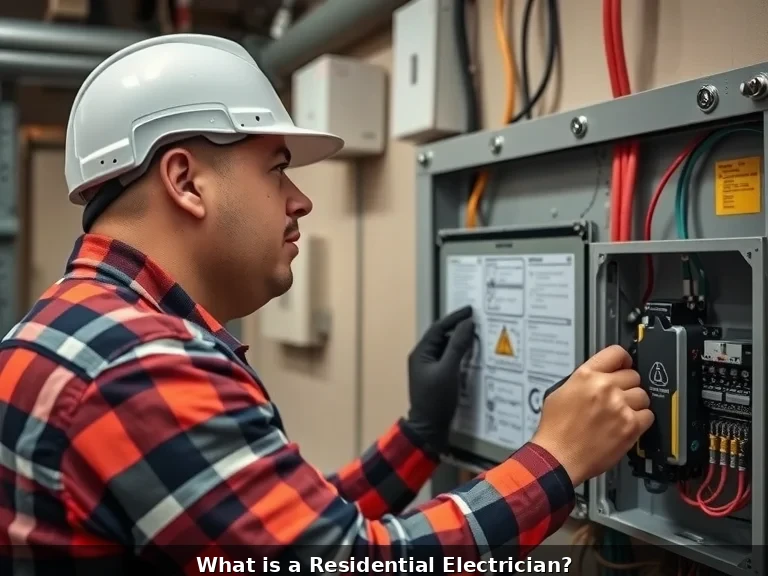
What is a Residential Electrician?

A residential electrician is a licensed professional specializing in the installation, maintenance, troubleshooting, and repair of electrical systems within single-family homes, townhouses, condominiums, and multi-family dwellings. Unlike their commercial counterparts who work with high-voltage three-phase systems in large buildings, a residential electrician focuses on the single-phase power systems, wiring methods, and safety devices that are standard in home environments.

Their expertise covers everything from the main service panel where power enters your home to the smallest outlet in a bedroom, ensuring the entire system complies with the National Electrical Code (NEC) and local Denver amendments. Choosing a specialist in residential work means you benefit from someone who understands the nuances of working in occupied homes, minimizing disruption while maximizing safety and long-term reliability for your most important investment.

Licensed residential electrician working on home electrical panel in Denver

Core Electrical Services for Denver Homes

The scope of work for a residential electrician is vast, covering both reactive repairs and proactive upgrades. Here are the foundational services that form the backbone of home electrical care.

Electrician performing home electrical safety inspection

Electrical Inspections & Safety Audits

An electrical safety inspection is a systematic evaluation of your home's entire electrical system by a licensed professional. This service is critical for identifying hidden hazards like outdated wiring, overloaded circuits, faulty connections, or improper grounding before they cause a fire or shock. For Denver homeowners, especially in properties built before 1980, an inspection is not just recommended—it's essential for peace of mind.

Learn More About Inspections
Electrician troubleshooting and repairing home electrical wiring

Electrical Repair & Troubleshooting

Electrical repairs address immediate failures and malfunctions within your home's system. Common issues Denver electricians resolve include frequent circuit breaker tripping, flickering or dimming lights, non-functioning outlets or switches, burning smells or scorch marks, and buzzing sounds from outlets or panels. A skilled residential electrician doesn't just fix the symptom; they diagnose the root cause to prevent recurrence.

Professional installation of home electrical outlets and fixtures

Electrical Installation & Upgrades

This service encompasses adding new electrical devices and circuits to your home. It's driven by renovation projects, modern living needs, or improving functionality. Services include outlet & switch installation, lighting installation & upgrades, appliance circuit installation, and ceiling fan installation.

Explore Lighting Services
Modern electrical panel upgrade and circuit breaker installation

Electrical Panel Services

The electrical panel, or breaker box, is the heart of your home's electrical system. It distributes power and protects circuits from overloads. Services include panel upgrades (replacing outdated fuse boxes or 100-amp service with modern 200-amp panels), panel replacement, and sub-panel installation for home additions or detached structures.

Learn About Panel Upgrades
Complete home rewiring project in Denver historic house

Whole-Home Rewiring

Whole-home rewiring is a major project that involves replacing the old electrical wiring throughout a house with new, code-compliant wiring. It's often necessary in Denver's historic homes that still have knob-and-tube wiring (common pre-1950) or early aluminum wiring (used in the 1960s-70s), both of which present significant safety and insurance challenges.

Specialized Residential Electrical Solutions

Beyond core services, modern homes demand specialized electrical expertise to enhance comfort, convenience, and security.

Smart home automation wiring and installation in Denver residence

Smart Home & Home Automation Wiring

Home automation integrates technology to control lighting, climate, security, and entertainment systems remotely. A residential electrician lays the crucial groundwork including structured wiring with Cat6/6A Ethernet, low-voltage wiring for smart thermostats and security sensors, lighting control systems, and future-proofing conduit installation.

Smart Home Solutions
Outdoor landscape and security lighting installation

Outdoor & Landscape Lighting

Outdoor lighting enhances safety, security, and aesthetic appeal. Professional installation ensures weatherproof, code-compliant, and durable systems including path & step lighting, security & flood lighting, accent & architectural lighting, and deck & patio lighting for outdoor living spaces.

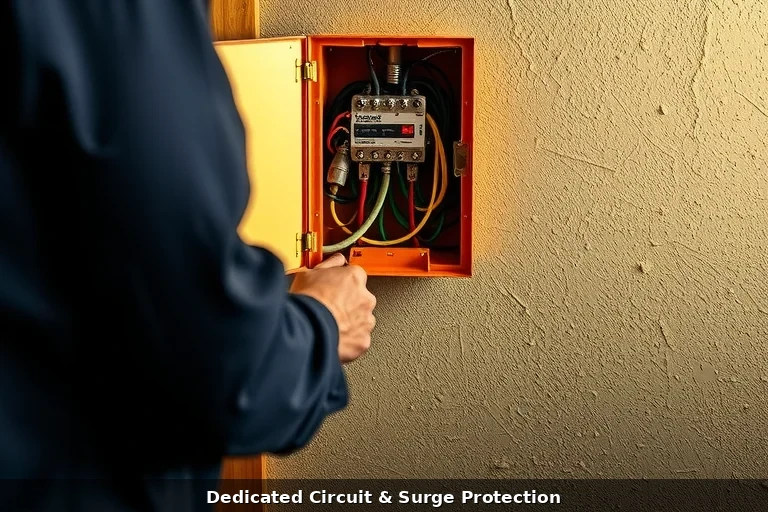
Dedicated circuit installation for home appliances and surge protection

Dedicated Circuit & Surge Protection

Modern electronics and appliances require clean, stable, and dedicated power. Services include dedicated circuits for home offices, entertainment centers, and sump pumps, plus whole-home surge protection installed at your main electrical panel to shield your entire home from voltage spikes.

Emergency electrical repair service for Denver homes

Emergency Electrical Services

Electrical emergencies don't wait for business hours. A reliable residential electrician offers 24/7 emergency response for situations that pose immediate danger, including complete power loss, sparks or burning smells, overheating electrical components, and water intrusion into electrical boxes.

24/7 Emergency Service

The Denver Residential Electrician Advantage: Local Expertise

Hiring a local Denver electrician provides specific benefits that a generic contractor cannot match. Denver's climate, altitude, and mix of historic and modern housing stock create unique electrical considerations.

Knowledge of Denver-Specific Codes & Permits

Denver and surrounding counties have specific amendments to the National Electrical Code. A local electrician is fluent in these requirements, ensuring your project passes inspection the first time. They also manage the entire permit process with the local building department.

Experience with Denver's Historic Homes

Denver is rich with beautiful historic homes in neighborhoods like Capitol Hill, Baker, and Highlands. These homes often contain knob-and-tube wiring, plaster walls, and older plumbing & gas lines that require specialized handling.

Understanding of Colorado Climate Impacts

Denver's dry climate, temperature swings, and high UV exposure affect electrical components, requiring UV-resistant materials and specific grounding techniques for dry, rocky soil.
Historic Denver home requiring specialized electrical rewiring expertise

How to Choose Your Residential Electrician in Denver

Selecting the right professional is the most important decision for your project's success and your family's safety. Here are the non-negotiable criteria:

1

Valid Colorado Electrical License

Verify the electrician holds a current license from the Colorado State Electrical Board. This confirms they have passed rigorous exams and meet state standards for knowledge and workmanship.

2

Adequate Insurance

Ensure they carry both general liability insurance and workers' compensation. This protects you from financial liability if an accident or damage occurs on your property.

3

Local References & Portfolio

Ask for references from recent projects similar to yours, especially in Denver. Look at online reviews on Google and BBB.

4

Detailed, Written Estimates

A professional will provide a clear, written estimate that breaks down labor, materials, permits, and timeline. Beware of vague verbal quotes.

5

Focus on Safety & Code Compliance

They should readily discuss permits, inspections, and how their work will meet NEC and Denver code. Avoid anyone who suggests skipping permits to "save money."

6

Professionalism & Communication

From the first phone call, note their punctuality, clarity in explaining the work, and willingness to answer your questions.

Read Complete Selection Guide

Common Residential Electrical Projects & What to Expect

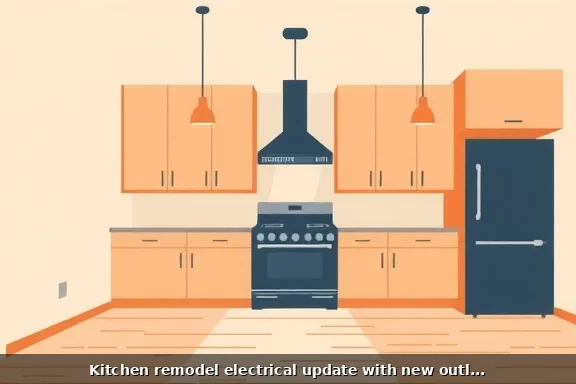
Kitchen remodel electrical update with new outlets and lighting

Project 1: Kitchen Remodel Electrical Update

Scope: Adding new circuits for appliances, installing under-cabinet lighting, adding GFCI outlets per code, installing a dedicated circuit for a microwave, and upgrading lighting.

Process: The electrician will map out new circuits, likely install a new dual-function AFCI/GFCI breaker for kitchen circuits, run new wires, and set up boxes before the cabinets and drywall are installed. A final inspection is required.

Timeline: 2-4 days of electrical work, spaced across the remodel timeline.

Electric vehicle charger installation in residential garage

Project 2: Adding an Electric Vehicle (EV) Charger

Scope: Installing a Level 2 EV charging station, typically requiring a new 240-volt, 40-50 amp dedicated circuit run from the panel to the garage or driveway.

Process: The electrician assesses panel capacity, may recommend a panel upgrade if needed, obtains a permit, runs conduit and wire, installs a hardwired charger or a heavy-duty outlet (NEMA 14-50), and ensures proper grounding.

Timeline: 1-2 days for a standard installation with sufficient panel capacity.

Historic 1920s Denver bungalow electrical rewiring project

Project 3: Rewiring a 1920s Bungalow

Scope: Complete removal of old knob-and-tube wiring and replacement with modern NM-B cable, new panel, adding GFCIs and AFCIs, and increasing outlet count.

Process: This is a major, invasive project. The electrician will develop a detailed plan, often working room-by-room, fishing new wires through walls and ceilings, making strategic access holes, and meticulously patching afterward.

Timeline: 1-3 weeks, depending on the home's size and complexity.

The True Cost of Electrical Work: Investment vs. Expense

Viewing electrical work as a home investment rather than an expense reframes its value. Quality electrical work:

Enhances Safety

Directly reduces the risk of electrical fires (a leading cause of home fires) and shocks.

Increases Home Value

Modern, code-compliant electrical systems are a major selling point. Outdated systems can be deal-breakers.

Improves Functionality

Adequate outlets, proper lighting, and support for modern technology improve daily life.

Reduces Future Costs

Proactive maintenance and upgrades prevent costly emergency repairs down the line.

While upfront costs vary, the long-term return on investment in safety, reliability, and peace of mind is immeasurable.

Calculate Your Project Cost

Frequently Asked Questions (FAQ)

For an average home, a professional inspection every 5-10 years is recommended. However, if your home is over 40 years old, you're adding major appliances, you notice any warning signs (flickering lights, tripping breakers), or before purchasing an older home, an immediate inspection is advised.

A GFCI (Ground Fault Circuit Interrupter) protects people from severe shock by cutting power if it detects a current leak to ground (e.g., in bathrooms, kitchens, outdoors). An AFCI (Arc Fault Circuit Interrupter) protects against fires by detecting dangerous electrical arcs caused by damaged wires (required for bedroom circuits and most living areas). Modern "dual-function" breakers provide both protections.

First, identify what was running when it tripped. Unplug a few items on that circuit and reset it. If it holds, you likely overloaded it. If it trips immediately with nothing plugged in, you may have a short circuit or faulty breaker—call an electrician. Never replace a breaker with a higher amperage one; this is a fire hazard.

Aluminum wiring used in the 1960s-70s is prone to oxidation and loose connections at outlets and switches, creating fire hazards. It is not inherently unsafe if it has been properly maintained and treated with antioxidant paste at all connections, or if all connections have been updated with COPALUM crimps or CO/ALR-rated devices. An inspection by a qualified electrician experienced with aluminum wiring is essential.

In almost all cases, yes. Permits are required for any work that adds new circuits, alters the service panel, or involves rewiring. Simple repairs like replacing a switch or outlet typically don't require one. Your licensed electrician will handle the permit process, which ensures the work is inspected and meets code—a critical step for your safety and home's legality.

Your Next Step: Partner with a Denver Residential Electrical Expert

Your home's electrical system is not a place for shortcuts or DIY experimentation. The risks are too high, and the code requirements too complex. By partnering with a licensed, experienced residential electrician Denver residents recommend, you invest in the long-term safety, efficiency, and value of your home.

Whether you're planning a renovation, troubleshooting a persistent issue, or simply want the assurance that your family is protected, professional guidance is key. Don't wait for a warning sign to become an emergency.

Schedule Your Free Home Electrical Assessment Call (303) 555-0100

Available 24/7 for emergency services