Main Service Entrance & Switchgear
The point where utility power enters the facility. Industrial switchgear manages and protects high-voltage incoming power, distributing it to substations and panels throughout the building.
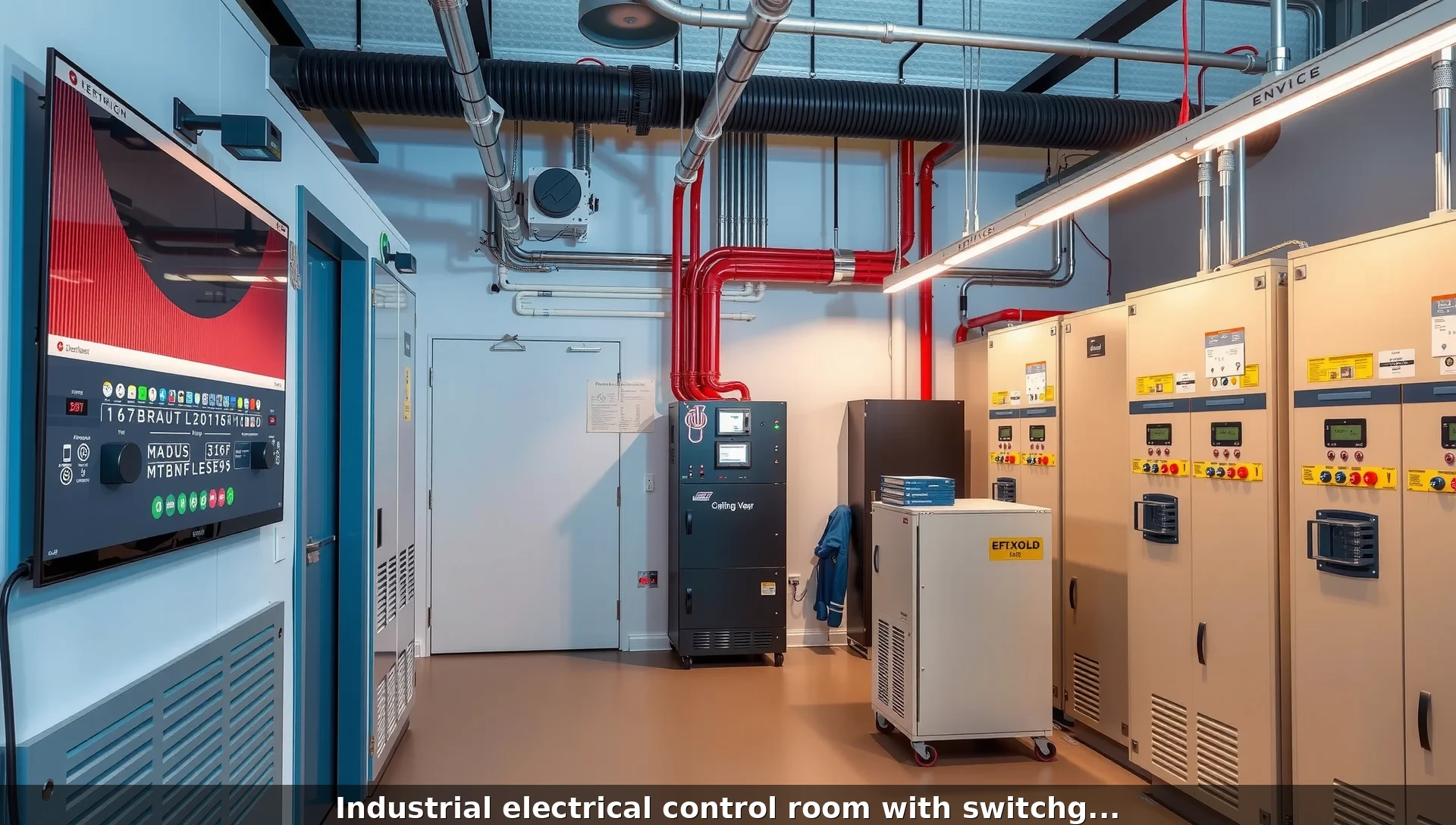
For manufacturing plants, warehouses, and distribution centers across the Front Range, reliable and robust electrical infrastructure is the lifeblood of operations.
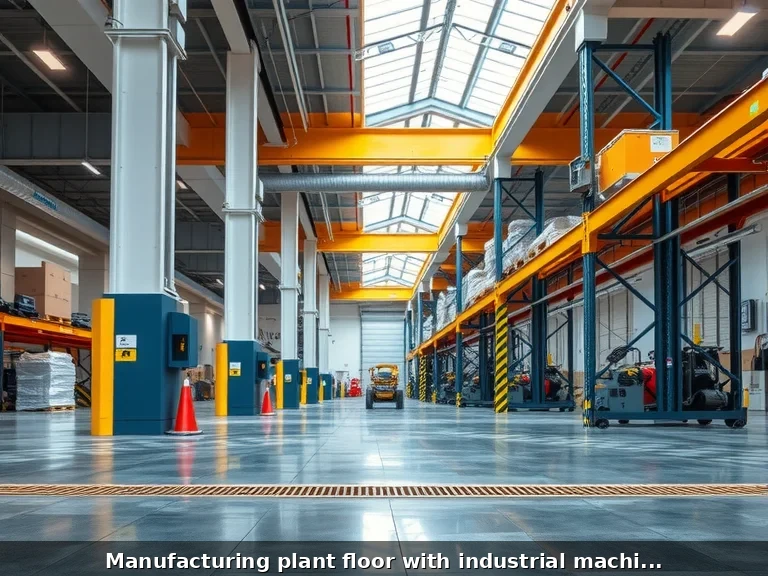
Denver industrial electrical services provide the specialized expertise required to power heavy machinery, complex automation systems, extensive lighting networks, and critical safety equipment that keep industrial facilities running 24/7.
Unlike standard commercial or residential work, industrial electrical systems demand a unique understanding of high-voltage distribution, motor control centers, programmable logic controllers (PLCs), and the stringent safety codes that govern hazardous locations. A single point of failure can halt production lines, spoil inventory, and cost tens of thousands of dollars per hour in downtime.
Industrial electrical services refer to the specialized design, installation, maintenance, and repair of electrical systems within manufacturing plants, processing facilities, warehouses, and other heavy industrial environments.
This domain is distinct from commercial or residential electrical work due to the scale, complexity, and critical nature of the systems involved. Industrial electricians are trained to handle high-voltage power distribution (often 480 volts or higher), three-phase motor controls, industrial automation networks, and the unique challenges posed by harsh environments containing dust, moisture, chemicals, or explosive atmospheres.
The primary goal is to ensure maximum operational uptime, personnel safety, and energy efficiency for facilities where electrical reliability is directly tied to productivity and profitability. For a broader look at the electrical landscape, see our Complete Guide to Electrical Services in Denver: What's Available.
480V+ distribution systems and three-phase power management
PLC programming and industrial network integration
Explosion-proof systems for harsh environments
A modern industrial facility's electrical ecosystem is built on several foundational components working in harmony.
The point where utility power enters the facility. Industrial switchgear manages and protects high-voltage incoming power, distributing it to substations and panels throughout the building.
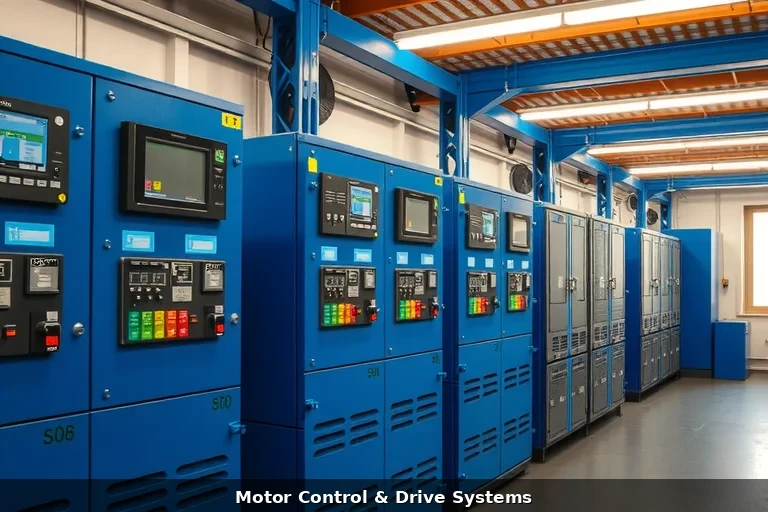
Centralized assemblies containing starters, variable frequency drives (VFDs), overload protection, and disconnects for facility motors, allowing centralized control of pumps and conveyors.
PDUs and panelboards divide power from main switchgear into lower-voltage circuits for lighting, receptacles, control systems, and individual machines.
High-bay LED lighting for warehouses, task lighting for assembly areas, and hazardous-location lighting integrated with sensors and building automation.
The "brain" of modern manufacturing. PLCs control machine sequences and safety interlocks, communicating over industrial networks like Ethernet/IP and Profibus.
UPS and backup generators for critical processes that cannot tolerate interruption, such as data centers, refrigeration units, and chemical processes.
Denver's diverse industrial base requires a tailored approach to electrical services. Each sector has unique power quality demands and operational rhythms.
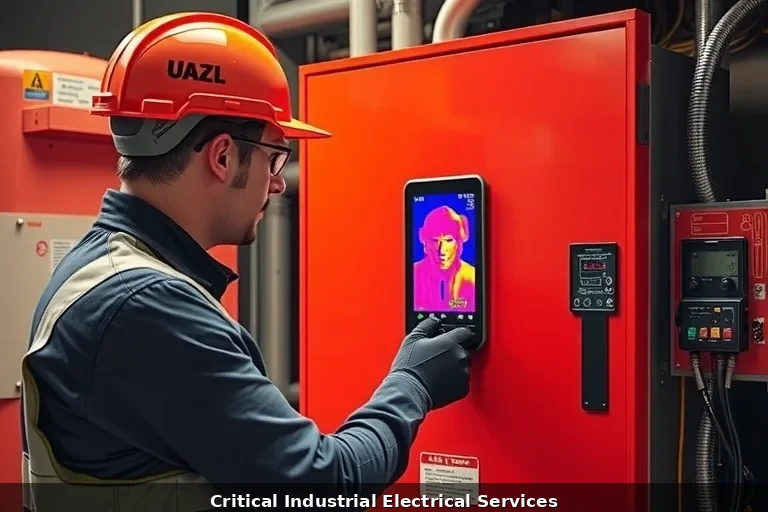
Reactive maintenance—fixing equipment only after it fails—is a costly strategy in an industrial setting. A structured preventive maintenance (PM) program is the most effective way to prevent unexpected downtime.
Electric motors are the workhorses of industry. Proper control and protection through VFD installation, motor starter upgrades, and circuit troubleshooting ensure operational continuity.
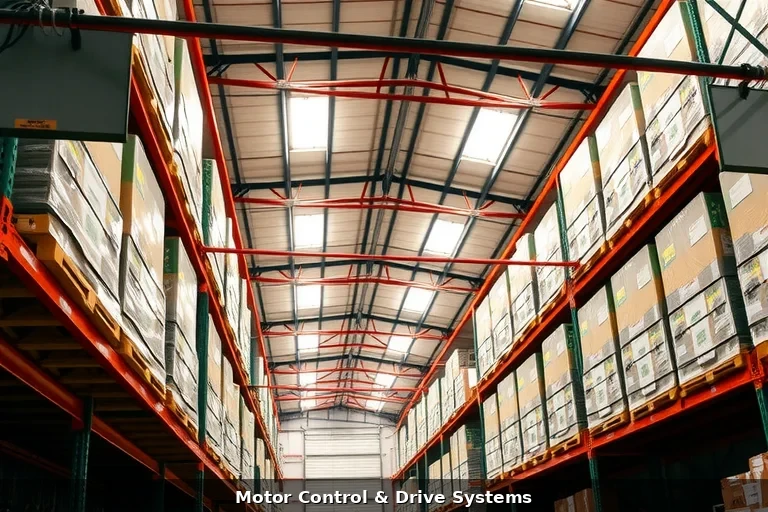
Upgrading from metal halide or fluorescent to modern LED technology offers 50-70% energy reduction, instant-on capability, and 3-5x longer lifespan, eliminating frequent re-lamping costs.
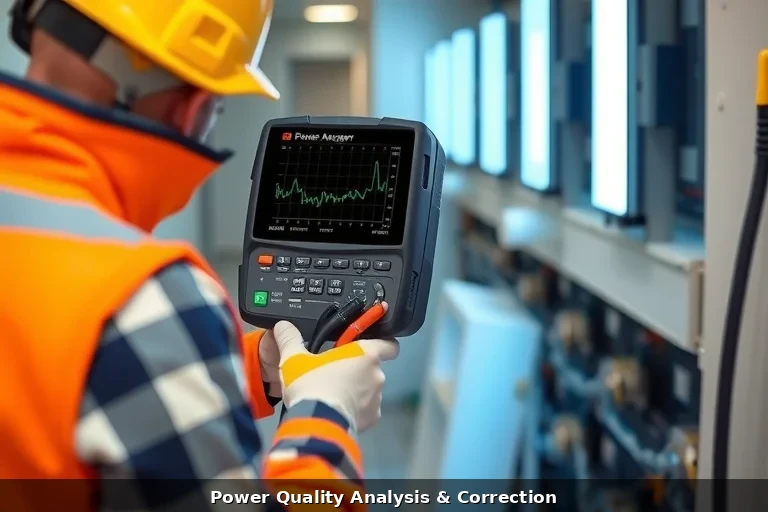
Industrial facilities with large motors and VFDs often experience power quality issues leading to nuisance tripping, overheating, and data corruption. Comprehensive monitoring identifies harmonic distortion and voltage sags.
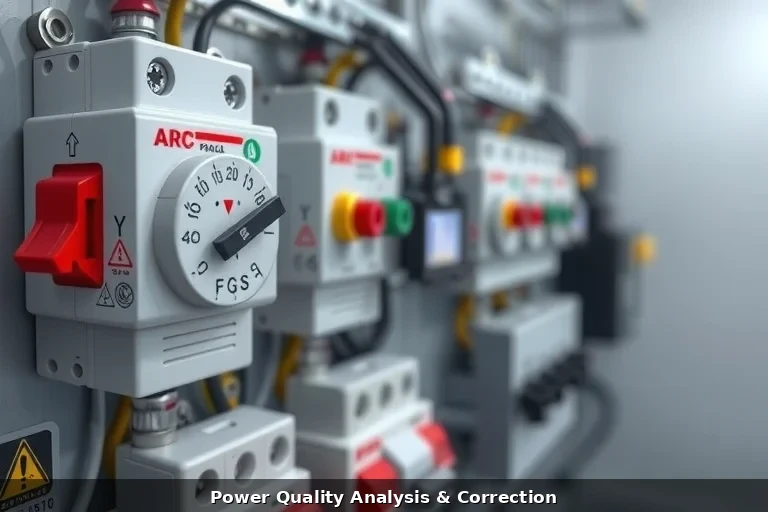
Industrial facilities must comply with NEC, OSHA 1910.269, and industry-specific codes. Arc flash studies, lockout/tagout procedures, and hazardous location classifications are mandatory for worker safety.
Arc Flash Hazard Analysis is mandatory for equipment operating at 50 volts or higher. Failure to comply can result in significant fines and severe safety risks.
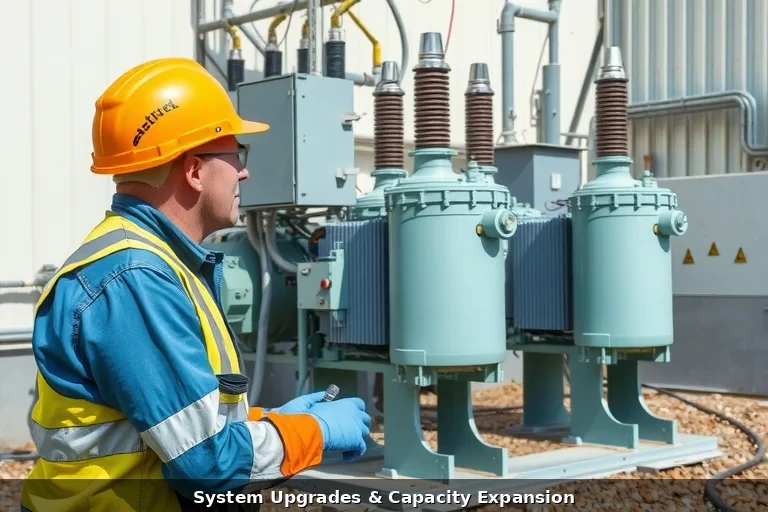
As production lines expand and machinery upgrades, electrical infrastructure must keep pace. Feeder and transformer upgrades, switchgear replacement, and short-circuit studies ensure safe capacity expansion.
From assessment to completion, our systematic process minimizes operational disruption and ensures successful outcomes.
Detailed walk-through, diagram review, and operational workflow analysis to identify pain points and define objectives.
Professional engineers create schematics, perform arc flash studies, and ensure NEC/OSHA compliance.
Project scheduling coordinated with your production calendar, planning work during shutdowns or off-hours.
Skilled journeyman electricians execute work using temporary power systems and live-work protocols when necessary.
Rigorous testing, commissioning, and delivery of as-built documentation for your records.
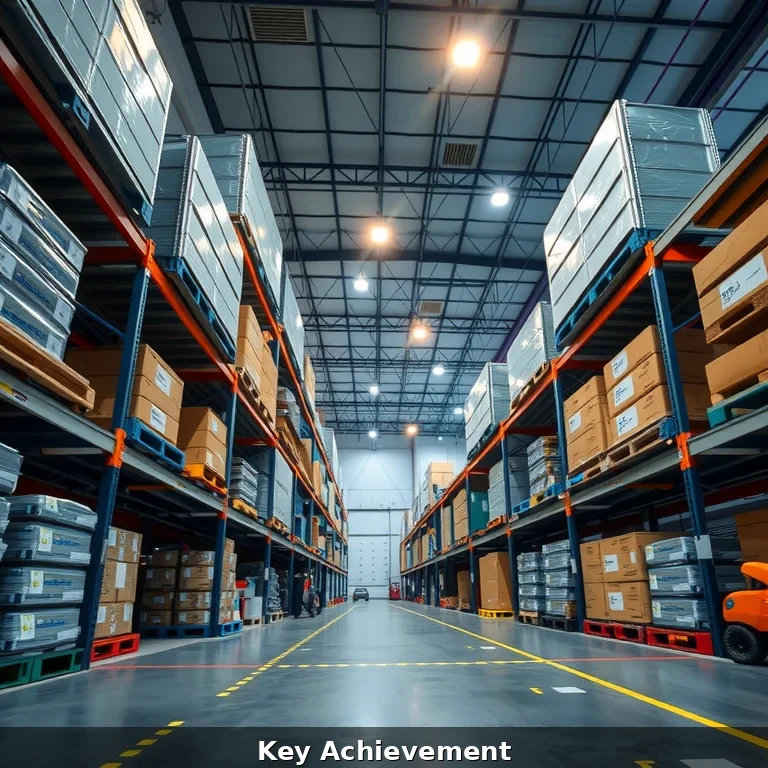
A 400,000 sq. ft. distribution center in North Denver operating with outdated 400-watt metal halide fixtures achieved remarkable results through strategic LED retrofit.
Zero disruption to 24/7 logistics operations through careful phasing and temporary lighting deployment.
Industrial electrical work is a significant investment with clear returns in reliability, safety, and efficiency.
Annual investment based on facility size and scope
Motor control center section installation
Per fixture installed with controls
OSHA-required hazard analysis
View these expenses as investments in risk mitigation and operational excellence. Calculate your specific project costs with our detailed calculator.
Calculate Your Project CostCommon questions about industrial electrical services in Denver.
While both are licensed professionals, an industrial electrician specializes in the high-voltage, three-phase systems, motor controls, PLCs, and harsh environments found in factories and warehouses. Their training emphasizes the NEC articles specific to industrial machinery (Article 670), hazardous locations (Articles 500-516), and motor control circuits. A commercial electrician typically works on lower-voltage systems in offices, retail spaces, and light commercial buildings.
The National Fire Protection Association (NFPA) recommends an annual infrared inspection for all critical electrical equipment in industrial settings. Facilities with 24/7 operations, older infrastructure, or a history of connection failures may benefit from semi-annual inspections. These non-invasive scans are the best way to detect failing components before they cause an outage or fire.
Yes, if your facility has electrical equipment operating at 50 volts or higher. OSHA mandates that employers must assess the workplace for arc flash hazards and implement protective measures. The NFPA 70E standard provides the methodology for the study. Failure to comply can result in significant fines and, more importantly, leaves employees at severe risk.
In many cases, yes. A skilled industrial contractor uses strategic planning to perform work during scheduled maintenance windows, on weekends, or by implementing temporary bypass systems and working on "live" equipment using energized work permits and the proper PPE as determined by the arc flash study. The goal is always to minimize disruption, but safety is never compromised.
Variable Frequency Drives offer substantial "soft start" capability, reducing inrush current by up to 80%, which lessens mechanical stress on motors, belts, and couplings. This extends equipment life. The most significant benefit is energy savings; a pump or fan running at 80% speed uses roughly half the energy compared to running at full speed with dampers or valves.
Ensure maximum uptime, safety, and efficiency for your Denver industrial facility. Our licensed master electricians are ready to support your operations 24/7.