Commercial Electrician Denver: Complete Business Electrical Solutions

When your business's electrical system falters, productivity grinds to a halt, safety risks escalate, and revenue can disappear in an instant. For Denver enterprises, from bustling LoDo startups to sprawling industrial complexes in Commerce City, partnering with a skilled commercial electrician Denver team is not a luxury—it's a critical operational necessity.

A commercial electrician in Denver is a licensed professional specializing in the design, installation, maintenance, and repair of electrical systems within non-residential buildings, including offices, retail spaces, warehouses, manufacturing facilities, and hospitality venues. Unlike residential work, commercial electrical systems involve higher voltages, complex three-phase power, intricate control systems, and strict adherence to the National Electrical Code (NEC) and local Denver amendments, requiring a contractor with specific training, experience, and licensing.

Why Your Denver Business Needs a Specialized Commercial Electrician

Commercial electrical work is fundamentally different from residential projects in scale, complexity, and regulatory scrutiny. A specialized commercial electrician possesses the training to navigate these distinct challenges. Commercial electrical systems typically operate on 277/480-volt three-phase power, compared to the standard 120/240-volt single-phase power in homes. This higher voltage allows for running heavy machinery, extensive lighting networks, and HVAC systems efficiently, but it also introduces significantly greater safety risks if handled improperly.

Furthermore, commercial projects are governed by a more rigorous set of code requirements from the NEC, the International Building Code (IBC), and specific Denver Fire Department and building department regulations. A contractor familiar only with residential work may inadvertently violate these codes, leading to failed inspections, project delays, fines, or even creating latent fire hazards.

The stakes for your business are immense. Consider the financial impact of a single day of downtime due to an electrical failure. For a retail store, it could mean thousands in lost sales. For a data center, it could mean catastrophic data loss and breached service level agreements. For a restaurant, it could mean spoiled inventory and a ruined reputation.

A qualified commercial electrician doesn't just wire buildings; they implement systems designed for reliability, scalability, and safety. They understand the operational rhythms of a business—peak hours, critical loads, and future expansion plans—and design electrical infrastructure that supports rather than hinders growth.
Commercial vs Residential Guide
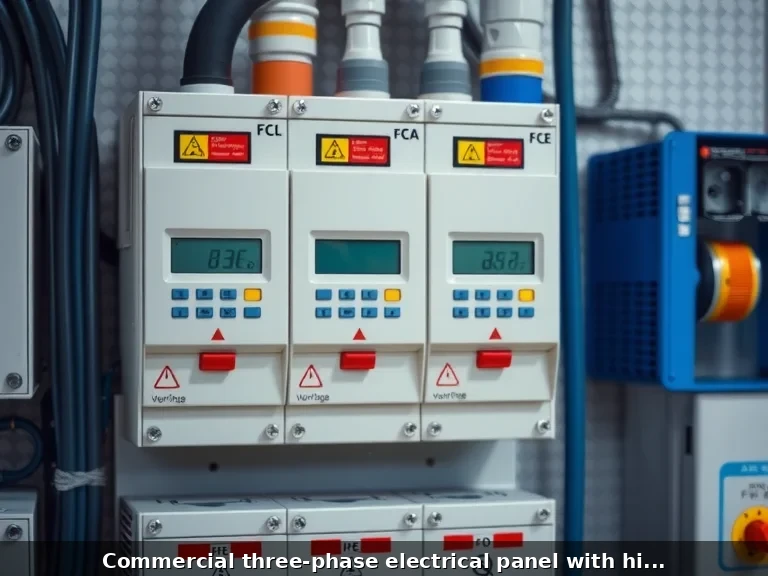
Commercial three-phase electrical panel with high voltage systems
277/480V
Commercial Power
3-Phase
Power Systems
NEC
Code Compliance
Comprehensive Solutions

Core Commercial Electrical Services for Denver Businesses

Denver Electrician Authority provides a full suite of commercial electrical services tailored to the unique needs of the Front Range business community. Our services are designed to keep your operations safe, efficient, and compliant from the ground up.

Electrical design blueprint and planning documents for commercial construction

Commercial Electrical Design & Planning

Every successful commercial project begins with a robust design. Our design services translate your operational needs into a safe, efficient, and code-compliant electrical blueprint. This phase is critical for new construction, major renovations, or significant expansions.

Planning Guide →
Commercial construction site electrical wiring installation
🏗️

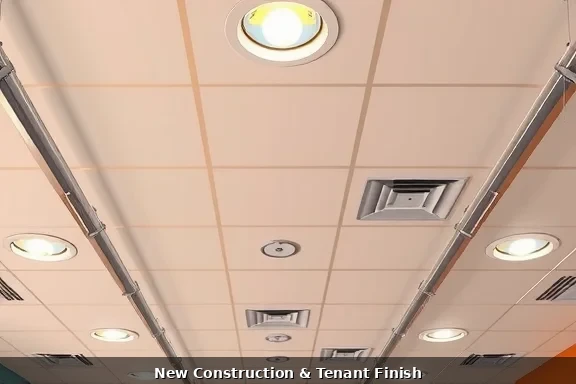
New Construction & Tenant Finish

Whether you're building a new corporate headquarters in the Denver Tech Center or finishing out a retail shell in RiNo, our team manages the complete electrical installation from rough-in to final trim-out.

LED lighting retrofit installation in commercial ceiling
💡

Commercial Lighting Installation & Retrofit

Lighting is one of the largest energy expenses for a business. We specialize in LED retrofits reducing costs by 50-70%, smart controls, office task lighting, retail accent lighting, and exterior security systems.

Lighting Solutions →
Commercial electrical panel upgrade service installation
🔧

Electrical Panel Upgrades & Service

As your business grows, so does its demand for electricity. We assess your current service, liaise with Xcel Energy if needed, and install commercial-grade panels with capacity for today's needs and tomorrow's expansion.

Electrician performing thermographic inspection with infrared camera
🔍

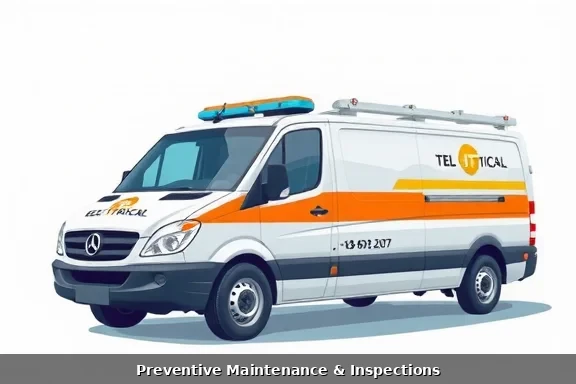
Preventive Maintenance & Inspections

Proactive maintenance includes thermographic imaging for hot spots, connection tightening, breaker testing, and visual inspections. This cost-effective program prevents failures and extends equipment life.

Emergency electrical repair van responding to commercial call
🚨

24/7 Emergency Electrical Repair

Electrical emergencies don't wait for business hours. Our emergency commercial electricians are on call 24/7 with fully stocked service vehicles to minimize downtime and get your business back online safely.

Low voltage network cabling installation in commercial building
🔌

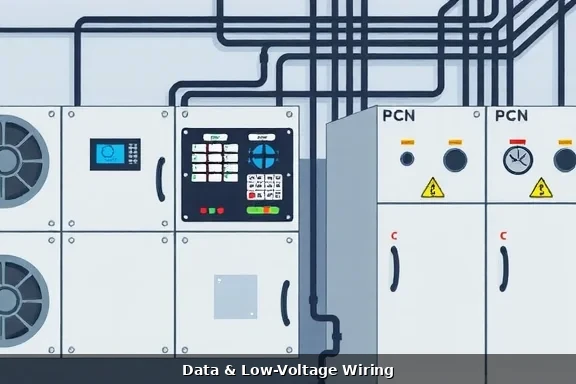
Data & Low-Voltage Wiring

Modern businesses run on data. We install Cat6/Cat6A ethernet cabling, fiber optic lines, conduit pathways, and pre-wiring for access points and security systems to support robust IT networks.

Industrial motor control center and PLC systems
⚙️

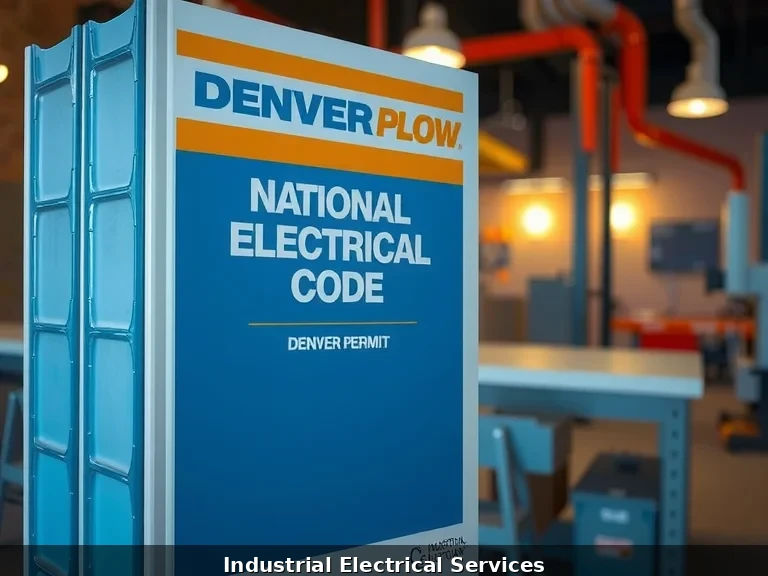
Industrial Electrical Services

For manufacturing and warehouses, we handle Motor Control Centers (MCC), PLC integration, high-bay lighting, explosion-proof fittings, and three-phase power troubleshooting.

Industrial Solutions →
National Electrical Code book and Denver permit documentation
Regulatory Compliance

The Denver Commercial Electrical Code & Permitting Landscape

Navigating Denver's regulatory environment is a core competency of a professional commercial electrician. All significant commercial electrical work requires a permit from the Denver Department of Community Planning and Development. The permit process involves submitting detailed plans for review to ensure compliance with the 2023 National Electrical Code (NEC), which Denver has adopted with local amendments.

Key Code Focus Areas:

  • AFCI & GFCI Protection Stricter requirements for branch circuits in commercial kitchens, basements, and outdoor areas.
  • Emergency Egress Lighting Specific rules for lighting that must remain on during power failure to illuminate exit paths.
  • ADA Standards Governing height and location of switches, outlets, and controls for accessibility.
  • Energy Code Compliance Adherence to IECC mandates for lighting controls and high-efficiency fixtures.

Important: Failure to pull a permit can result in stop-work orders, hefty fines, and complications when selling or insuring the property. Always verify your contractor is pulling proper permits.

Complete Code Guide

How to Choose the Right Commercial Electrical Contractor in Denver

Selecting an electrical partner is a major business decision. Here are the critical factors to evaluate, beyond just the bid price:

01

Verify State & Local Licensing

In Colorado, a commercial electrical contractor must hold a valid state license from the Colorado Electrical Board. You can verify a license online. Additionally, many Denver municipalities require a local business license.

Why licensing matters →
02

Assess Specialized Commercial Experience

Ask for a portfolio of similar projects. A contractor who primarily wires houses may not be the best fit for a restaurant build-out or a medical office. Inquire about experience with your specific business type.

03

Check Insurance Coverage

The contractor must carry general liability insurance and workers' compensation insurance. Request a certificate of insurance (COI) and confirm it is current. This protects your business from liability.

04

Review References & Reputation

Ask for and contact recent commercial client references. Read online reviews on Google, BBB, and industry-specific sites. Look for patterns regarding reliability, communication, and adherence to schedule.

05

Evaluate Communication & Professionalism

From the first interaction, assess their responsiveness, clarity, and willingness to explain complex issues. A professional outfit will provide detailed, written proposals and clear contracts.

06

Understand Their Service Model

Do they offer 24/7 emergency support? Do they have a preventive maintenance program? Choosing a contractor who can be a long-term partner adds tremendous value.

The True Cost of Commercial Electrical Work in Denver

Commercial electrical pricing is highly variable, based on project scope, materials, labor hours, and permitting fees. It is typically quoted as a project bid rather than an hourly rate, though time-and-materials billing is used for service work.

💰 Key Cost Drivers

  • Project Scope & Complexity: A simple office receptacle addition costs far less than a full lighting retrofit for a 50,000 sq. ft. warehouse.
  • Material Costs: Commercial-grade wiring, panels, and fixtures are more expensive than residential equivalents. Copper price volatility impacts costs.
  • Labor Intensity: Work in finished ceilings, coordination with other trades, or off-hours work incurs higher labor costs.
  • Permit & Plan Review Fees: Denver permit fees are based on valuation. Complex projects requiring engineered drawings have additional review fees.
  • Unforeseen Conditions: Older Denver buildings may have knob-and-tube wiring, asbestos, or structural issues affecting cost.

FAQs: Commercial Electrician Services in Denver

Common questions about commercial electrical services and maintenance

How often should my business have an electrical safety inspection?

For most commercial properties, an annual electrical preventive maintenance inspection is recommended. High-use environments like restaurants or manufacturing facilities may benefit from semi-annual checks. This proactive approach identifies minor issues before they cause outages or hazards.

Can you work after hours or on weekends to avoid disrupting my business?

Absolutely. We routinely schedule major upgrades, retrofits, and installations for nights, weekends, or holidays to minimize impact on your daily operations. We discuss scheduling preferences during the project planning phase.

What's the difference between a commercial electrician and an industrial electrician?

While there is overlap, an industrial electrician typically has specialized training in high-voltage systems (over 600 volts), complex motor controls, PLCs, and instrumentation common in factories and plants. Many qualified commercial contractors, like Denver Electrician Authority, have the expertise to handle light to medium industrial work. For heavy industrial projects, specific experience is key.

Do I need a permit to add a few new outlets in my office?

In Denver, most electrical work beyond like-for-like replacement requires a permit. Adding new circuits always requires a permit. It's best to consult with your electrician, who will know the local requirements and can pull the permit on your behalf, ensuring the work is legal and safe.

How long does a typical commercial panel upgrade take?

The timeline depends on coordination with the utility company. The physical installation of a new panel often takes 1-2 days. However, if the utility service line to the building also needs upgrading, Xcel Energy may require a separate appointment, which can add several weeks to the schedule. We manage this coordination as part of our service.

Partner with Denver's Premier Commercial Electrical Team

Your business's electrical system is its central nervous system. It powers your technology, illuminates your workspace, and protects your assets and people. Don't let an aging electrical system limit your growth or put your business at risk.

Licensed, insured, and serving Denver businesses since 2010. Available 24/7 for emergencies.